
IIf you’ve ever wondered why RV travel is cheaper than traditional vacations, the answer often comes down to flexibility, fewer hidden costs, and the ability to control how you travel. As airfare, hotel rates, and rental car prices continue to rise, more travelers are discovering that RV trips can combine transportation, lodging, and dining into one experience — often at a much lower overall cost.
One of the biggest advantages of RV travel is how much control it gives you over your budget. Instead of paying separately for flights, hotel rooms, rental cars, and restaurant meals every day, your RV becomes your travel base. Your kitchen, bedroom, and living space move with you wherever you go, which means you can cook your own meals, avoid expensive hotels, and travel at your own pace without worrying about rigid reservations or rising nightly rates.
Another reason many travelers discover why RV travel is cheaper than traditional vacations is the number of hidden costs it removes. Traditional travel often includes extra charges that quickly add up — baggage fees, airport parking, resort fees, expensive airport food, and last-minute hotel price increases. With RV travel, many of those surprise expenses simply disappear because most of what you need is already traveling with you.
RV travel also allows you to adjust your trip to match your budget. You can stay in affordable campgrounds, state parks, or even take advantage of options like boondocking, where RV travelers camp for free on public land. When comparing RV travel vs traditional vacations, many people find that combining transportation, lodging, and meals into one vehicle dramatically reduces the overall cost of RV vacations while still delivering unforgettable travel experiences.
In the end, RV travel doesn’t mean sacrificing comfort or adventure. You still get to explore national parks, scenic campgrounds, and new destinations — but you do it with a travel style that gives you far more control over your spending.
So what exactly makes RV travel so much more affordable? Let’s look at the five biggest reasons why RV travel is cheaper than traditional vacations for many travelers.
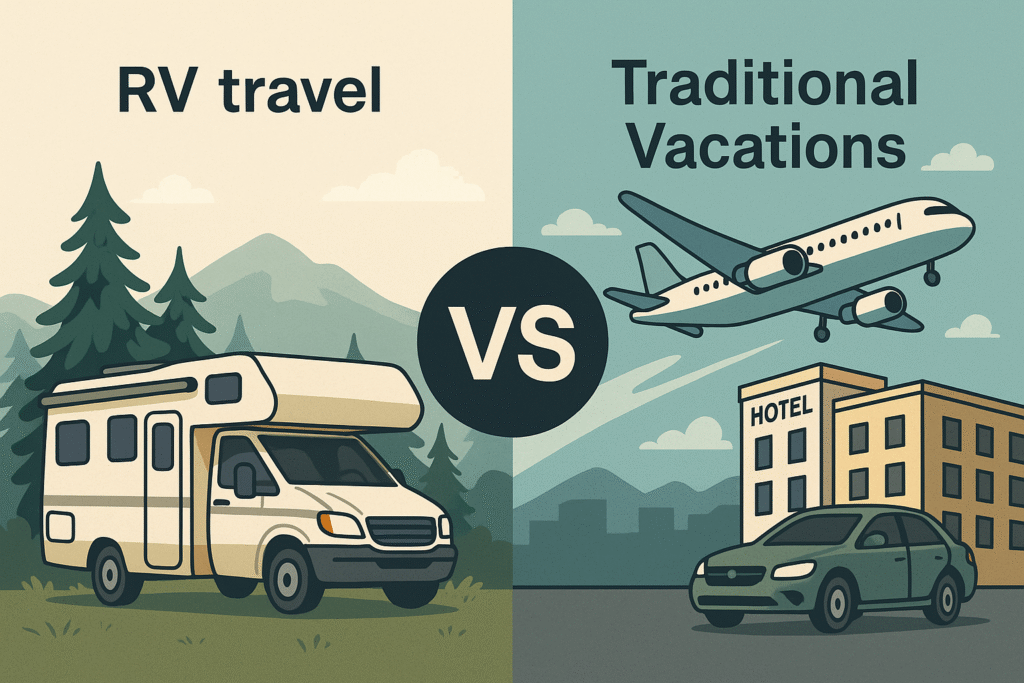
The True Cost of a Traditional Vacation
At first glance, a traditional vacation can seem straightforward: book a flight, reserve a hotel room, rent a car, and plan a few activities. But once all the expenses are added together, the real cost can climb much higher than most people expect.
For many families, even a simple one-week trip quickly turns into a major expense. Between airfare, hotel rates, dining out, transportation, and entertainment, the total can easily reach several thousand dollars before the trip is even halfway over.
A week-long getaway for a family of four can easily top $3,500–$4,000 or more once flights, hotels, and dining are added. And that’s before you include souvenirs, travel insurance, or unexpected expenses along the way.
Here’s a quick look at how those costs often break down:
| Expense | Average Cost | Notes |
|---|---|---|
| Airfare | $1,200–$1,800 | Four round-trip tickets |
| Hotel | $1,000–$1,750 | Mid-range room, 7 nights |
| Dining Out | $700–$1,000 | $100–$150 per day for a family |
| Car Rental & Fuel | $350–$700 | $50–$100 per day |
| Activities & Fees | $400–$800 | Theme parks, tours, etc. |
| Total | $3,850–$6,000+ | Before souvenirs or extras |
After everything is added together, it’s easy to see how the price of a traditional vacation can climb quickly. What starts as a simple trip can easily reach $4,000–$6,000 or more for just one week away.
Part of the reason is that traditional travel charges you separately for almost every part of the experience. Flights are priced per person, hotels charge per night, rental cars add daily fees, and restaurant meals quickly become one of the biggest expenses of the trip.
By the time you factor in baggage fees, hotel parking, resort taxes, entertainment, and dining out multiple times a day, the final bill can be far higher than the original travel budget.
This is exactly where RV travel begins to look different — and often much more affordable.
The Real Cost of RV Vacations
When comparing why RV travel is cheaper than traditional vacations, it helps to look at the actual costs involved in an RV trip. Instead of paying separately for flights, hotels, rental cars, and restaurant meals, RV travel combines many of those expenses into a single travel experience.
Your RV becomes your transportation, lodging, and kitchen all in one. That simple difference dramatically changes how vacation expenses add up.
Here’s a realistic breakdown of what many RV trips actually cost:
| Expense | Average Cost | Notes |
|---|---|---|
| RV Rental / Loan | $0–$1,200 | Monthly loan payment or weekly rental |
| Campground Fees | $200–$600 | $30–$90 per night depending on amenities |
| Groceries & Meals | $250–$400 | Cooking mostly in RV kitchen |
| Fuel | $300–$600 | Depends on miles and RV size |
| Maintenance/Propane | $50–$100 | Routine travel costs |
| Total | $800–$2,900 | Typically 40–60% cheaper |
Even when you include fuel and campground fees, the overall cost of an RV trip is often far lower than a traditional vacation. Many families discover that RV travel can reduce their total travel expenses by 40–60%, especially when compared to the cost of flights, hotels, and dining out for several days.
Another major difference is how flexible RV travel can be. Campground prices vary widely depending on location and amenities, but many public campgrounds range from $35–$60 per night. Travelers who enjoy boondocking or camping on public land can sometimes stay overnight for free, reducing travel costs even further.
Food costs also tend to be lower because most RV travelers cook many of their meals in the RV kitchen. Instead of eating every meal at restaurants, families can prepare simple breakfasts, lunches, or dinners just like they would at home.
When you add everything together, the cost structure of RV travel is simply different. Your biggest expenses are usually fuel, campground stays, and basic groceries — things you would likely spend money on during everyday life anyway.
This is one of the biggest reasons people begin to understand why RV travel is cheaper than traditional vacations once they start comparing the real numbers.
Research commissioned by the RV Industry Association shows that for a four-person travel party using a lightweight travel trailer, the average cost per day was about 48% less than the comparable air-hotel option. This helps explain why RV travel is cheaper than traditional vacations.
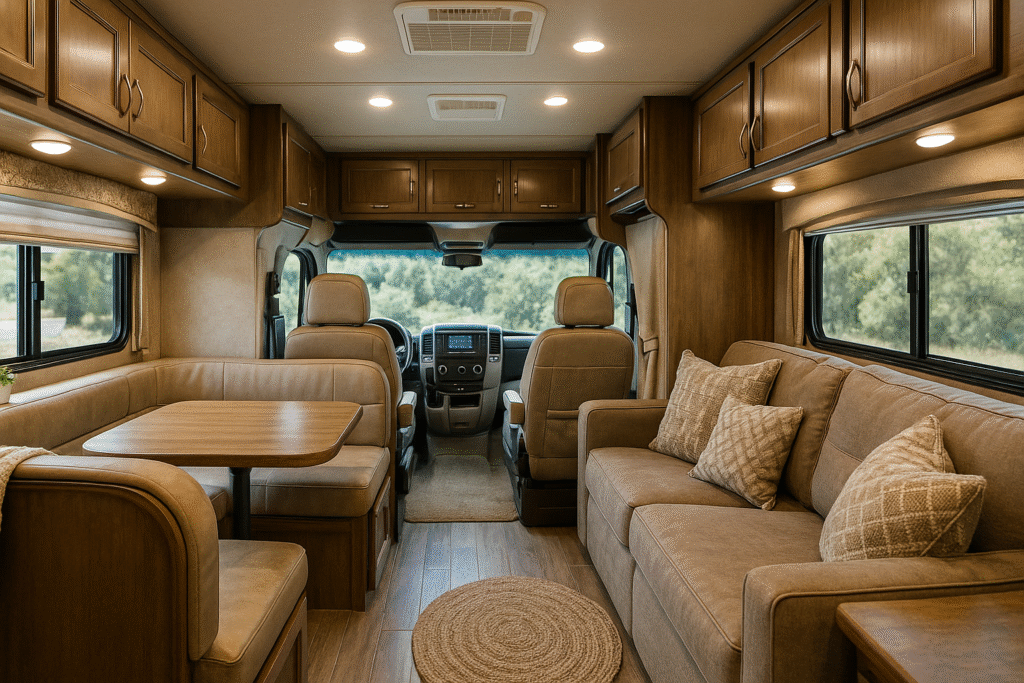
Savings Add Up When You Bring Home With You
One of the biggest money savers in RV travel is the simple fact that you’re bringing your home along with you. Instead of paying separately for lodging, meals, transportation, and daily conveniences, your RV combines many of those costs into one traveling space. Your kitchen, beds, bathroom, and everyday comforts move with you wherever you go, eliminating many of the extra expenses that quickly add up during a traditional vacation.
Cooking in your own RV kitchen alone can save hundreds of dollars over the course of a week. When families travel traditionally, restaurant meals three times a day quickly become one of the biggest vacation expenses. With an RV, many travelers prepare breakfast and lunch in the RV and only dine out occasionally, which dramatically lowers food costs. Even small things like making coffee in your RV instead of buying it every morning can add up to meaningful savings over the course of a trip.
Another major advantage is avoiding extra transportation and baggage costs. When traveling traditionally, families often pay for flights, checked bags, rental cars, airport shuttles, and parking fees. With RV travel, your transportation and your lodging are already combined, and everything you need travels with you from the start.
RV travel is also naturally more pet-friendly, which can save even more money for families traveling with animals. Many RV parks allow pets at little or no additional cost, while hotels often charge nightly pet fees or require expensive boarding.
Flexibility is another factor that contributes to the savings. RV travelers can adjust their schedule, travel during less expensive days, or choose campgrounds with lower nightly rates. Once an RV is purchased or rented, your “hotel room” travels with you, which removes the nightly lodging costs that typically make up the largest part of traditional travel budgets.
Many RV parks also offer discounted stays through campground membership programs. Programs like Passport America and Good Sam Club can reduce campground costs significantly, often cutting nightly rates in half. For travelers who camp frequently, those memberships can pay for themselves within just a few trips.
When you start adding up these everyday savings, it becomes easier to understand why RV travel is cheaper than traditional vacations for many families.
Example Trip: Orlando, FL vs. Great Smoky Mountains
To see how the costs compare in real life, it helps to look at two common travel scenarios.
Imagine a traditional week-long vacation to Orlando for a family of four. Airfare alone can easily reach around $1,600 for round-trip tickets. A hotel near Disney for seven nights might add another $1,500. Renting a car for the week could cost around $500, while dining out for most meals may total roughly $900. Once activities, park tickets, and parking fees are included, the final cost of the trip can climb to around $5,100 for the week.
Now compare that with a similar seven-day RV trip to the Great Smoky Mountains. Fuel for an 800-mile round trip might cost around $350 depending on the RV and gas prices. Campground fees for six nights could average about $300, while groceries for the trip might total around $300. Park passes and attractions could add another $200. In this scenario, the total cost of the RV trip comes to roughly $1,150.
The difference between the two trips is dramatic. In this example, the RV vacation saves more than $3,900, while still providing a full week of travel, outdoor adventure, and family time.

Hidden Financial Benefits of RVing
Beyond the obvious savings, RVing also comes with several financial advantages that many travelers don’t immediately think about. Traditional vacations often include a long list of small expenses that quietly add up — overpriced airport meals, baggage fees, rental cars, parking costs, and various travel taxes. With RV travel, many of those extra charges simply disappear. You can buy groceries once, cook your own meals, and stretch those costs across the entire trip. Even campground prices tend to rise much more slowly than hotel rates or airfare, which helps protect your travel budget over time.
RV trips can also serve multiple purposes beyond a single vacation. Many RV owners use their rigs for weekend getaways, family visits, seasonal travel, or even temporary housing during home projects. Because the RV becomes part of your lifestyle rather than just a one-time trip expense, those hidden financial benefits continue adding value long after the first vacation.
You Can Travel More Often
Owning or renting an RV makes spontaneous trips much easier and far less expensive. Instead of waiting for flight deals or planning months ahead to afford hotels, many RV travelers simply pack up and drive a few hours to a nearby campground or state park. A quick weekend escape can turn into a relaxing getaway without the complicated planning or high costs that traditional travel usually requires.
Because RV travel tends to have more predictable expenses, many families find themselves taking more short trips throughout the year. Those smaller getaways add up to more travel experiences overall, which is one of the reasons people begin to realize why RV travel is cheaper than traditional vacations in the long run.
You Avoid High-Season Price Spikes
Another advantage of RV travel is that you’re not trapped by the dramatic price spikes that often occur during peak travel seasons. Hotels and airlines regularly increase prices during holidays, summer breaks, and school vacations. Campgrounds, on the other hand, tend to have more stable pricing, and if a popular location becomes expensive, RV travelers can simply move on to another campground or choose public land where camping may even be free.
Because you’re paying primarily for a campsite instead of per-person travel costs, RV vacations remain more predictable even during busy travel seasons.
You Save on Pet Costs
Traveling with pets can quickly become expensive during traditional vacations. Many hotels charge nightly pet fees, and boarding or daycare services can add hundreds of dollars to a week-long trip. With an RV, your pets travel with you naturally, avoiding most of those extra expenses.
Most RV parks allow pets with little or no additional charge, and your pet stays in a familiar space instead of a stressful kennel or hotel room. For many RV owners, this is both a financial benefit and a quality-of-life advantage for the whole family.
You Control Your Budget
One of the most powerful financial benefits of RV travel is the control it gives you over your spending. If you want to keep a trip inexpensive, you can stay at budget-friendly campgrounds, cook most of your meals, and explore free outdoor attractions. If you want to spend a little more, you can choose a resort-style campground or add paid activities along the way.
Unlike traditional vacations where flights, hotels, and restaurant prices are largely fixed, RV travel allows you to scale your trip up or down depending on your budget. That flexibility is another reason many travelers find that RV travel stretches their vacation dollars much further.
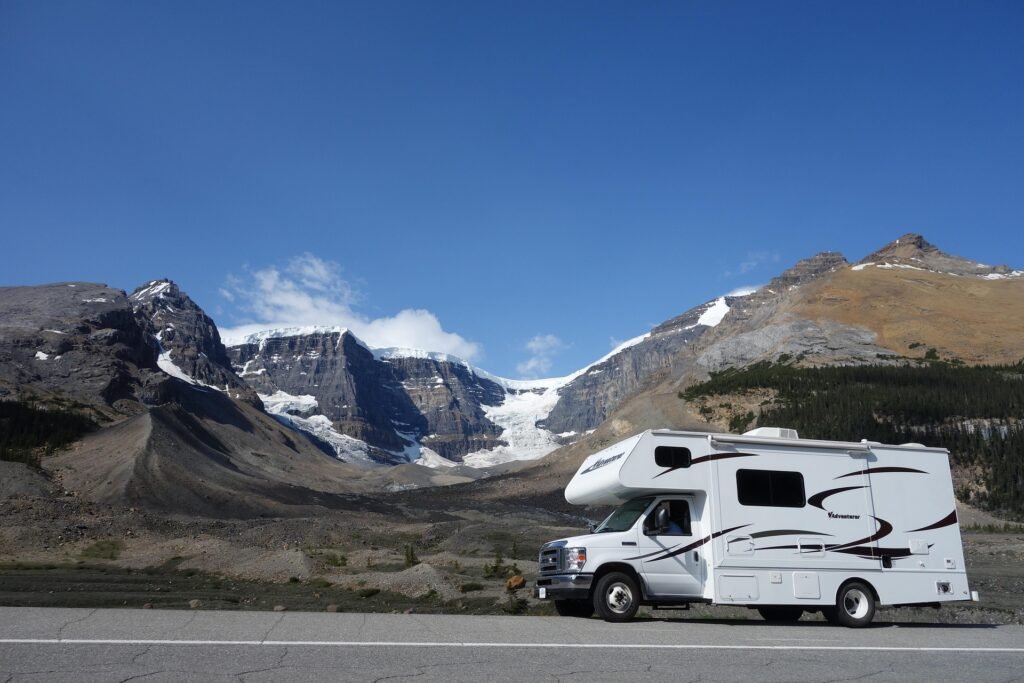
Boondocking: The Ultimate Budget Hack
If you really want to stretch your travel dollars, boondocking can be one of the biggest advantages of RV travel. Instead of paying nightly campground or resort fees, many RV travelers stay on public land where camping is completely free. Whether you’re parked beside a quiet forest road, overlooking a desert valley, or tucked away near a remote lake, these off-grid stays can cost absolutely nothing.
For travelers trying to understand why RV travel is cheaper than traditional vacations, boondocking is one of the clearest examples. While hotels charge hundreds of dollars per night and resorts add extra fees for parking, amenities, and taxes, boondocking allows you to enjoy incredible locations without paying for a campsite at all.
With a little preparation for water, power, and waste storage, many RVs can comfortably stay off-grid for several days or even weeks. Solar panels, portable generators, and careful resource use allow travelers to enjoy quiet natural settings while avoiding many of the costs that come with traditional campgrounds.
Beyond the financial savings, boondocking also offers something many travelers value even more — privacy, quiet surroundings, and a closer connection to nature. Instead of crowded resorts or busy tourist areas, you often find yourself surrounded by open landscapes, wildlife, and some of the most scenic views imaginable.
For many RV owners, boondocking becomes one of the biggest reasons their travel budget stretches so much further. A few nights of free camping during a trip can reduce overall vacation costs dramatically while adding a sense of adventure that traditional travel rarely provides.
You can stay for free in beautiful, remote spots managed by the Bureau of Land Management (BLM) or the U.S. Forest Service—just remember to practice Leave No Trace.
Pair boondocking with solar panels and a generator, and you can enjoy off-grid comfort at nearly no cost.
Dry Camping & Moochdocking: More Free Options
Boondocking isn’t the only way RV travelers can reduce camping costs. Dry camping is another common option and simply means staying overnight without hookups. Many RVers use dry camping while traveling between destinations, stopping at places like rest areas, truck stops, large retail parking lots, or quiet trailheads. These quick overnight stops allow you to rest comfortably without paying for a campground every night on the road.
Another popular option is what RVers call moochdocking. This happens when you park your RV at a friend’s or family member’s property, often with access to a basic power outlet or a garden hose. Many travelers visit relatives this way during longer trips, saving money while also spending time with people they care about.
By mixing and matching these different styles of camping—boondocking, dry camping, and moochdocking—RV travelers can dramatically lower the total cost of a trip. Instead of paying campground fees every single night, many RV owners alternate between paid parks and free overnight stops.
Over the course of a long trip, these small decisions can make a major difference in the overall travel budget. A few nights of free stays scattered throughout a journey can reduce vacation costs by hundreds of dollars. For travelers comparing RV travel vs traditional vacations, this kind of flexibility is one of the biggest reasons RV trips can be significantly more affordable.
All three approaches offer flexibility, freedom, and major savings while still allowing you to travel comfortably in your own space. Instead of being tied to hotel reservations and fixed travel schedules, RV travelers have the ability to adjust their plans as they go—another reason many people discover why RV travel is cheaper than traditional vacations once they start traveling this way.
The “Investment” Side of RV Ownership
It’s true that owning an RV comes with upfront costs, but many owners discover that after the first year, their overall vacation spending drops significantly. Once you already own the RV, the cost of traveling often becomes much lower than traditional trips that require flights, hotels, rental cars, and restaurant meals.
While an RV isn’t a traditional financial investment that increases in value over time, it can absolutely be considered a lifestyle investment. Instead of spending thousands of dollars every year on short vacations, RV owners have the ability to travel more often while keeping those costs under control.
Over time, many families find themselves replacing expensive hotel vacations with RV trips that cost far less overall. When you combine lower travel expenses with the flexibility to cook your own meals, choose affordable campgrounds, or even stay in free locations, the long-term savings can become substantial. For many travelers, this is another example of why RV travel is cheaper than traditional vacations once you start using your RV regularly.
An RV can also provide value beyond vacations. Some owners use their RV as temporary housing during home renovations, as a comfortable place to stay while visiting family, or even as a way to offset costs by renting it out when it’s not being used. When you look at the bigger picture, the RV becomes more than just a vehicle — it becomes a tool that supports travel, flexibility, and long-term lifestyle savings.
Of course, there are still ongoing ownership expenses to consider, such as storage, insurance, and routine maintenance. Typical costs may include:
• Storage (if needed): $50–$150 per month
• Insurance: $500–$2,000 per year
• Maintenance: roughly 1–2% of the RV’s value annually
Even with these costs, many families find that RV ownership can balance out over time. When you compare those expenses to the price of traditional vacations — which often run $4,000 to $8,000 or more each year — it becomes easier to see how an RV can gradually pay for itself through years of affordable travel.

What RVers Say
Talk to almost anyone who has been RVing for a while and you’ll hear the same thing again and again: “I wish we had started sooner.” Many RV owners say they travel more often now because the entire process is simpler and more affordable than traditional vacations. Instead of planning months in advance around flights, hotels, and rental cars, RV travel allows families to pack up, hit the road, and enjoy a getaway whenever the opportunity appears.
Others talk about the freedom that comes with the lifestyle. You can leave on a Friday afternoon and be parked beside a lake or tucked into a mountain campground by sunset—without worrying about airport delays, hotel check-in times, or expensive restaurant meals. Pet owners especially appreciate being able to bring their animals along without paying nightly pet fees or boarding costs.
But one of the things RV travelers mention most is the community. Campgrounds tend to have a relaxed, welcoming atmosphere where neighbors often help each other out, share travel stories around the fire, and swap tips about the best places to explore next. Over time, those small interactions become part of the experience.
When you combine that sense of freedom, the ability to travel more often, and the financial flexibility that comes with controlling your travel costs, it becomes clear why so many people discover why RV travel is cheaper than traditional vacations once they begin traveling this way.
And when you ask experienced RVers why they keep coming back to the lifestyle, the answer is often surprisingly simple.
It just makes life better.
“Our first family RV trip cost half of what our usual beach vacation did—and the kids loved every second.”
— Megan R., Texas
“Once we bought the RV, weekend getaways became affordable. We just pack up and go.”
— Dan and Laura S., Oregon
Real-world stories like these prove the lifestyle offers financial freedom and priceless memories.
Final Thoughts
At the end of the day, RV travel isn’t just about saving money—it’s about reclaiming something many people lose without even realizing it: freedom. The freedom to wake up somewhere beautiful. The freedom to move at your own pace instead of racing through airports and hotel check-ins. The freedom to spend real, unhurried time with the people who matter most.
And when you look closely at the numbers, it becomes easier to understand why RV travel is cheaper than traditional vacations for many families. Instead of paying for flights, hotels, rental cars, and restaurant meals every time you travel, your RV becomes your transportation, lodging, and kitchen all in one place.
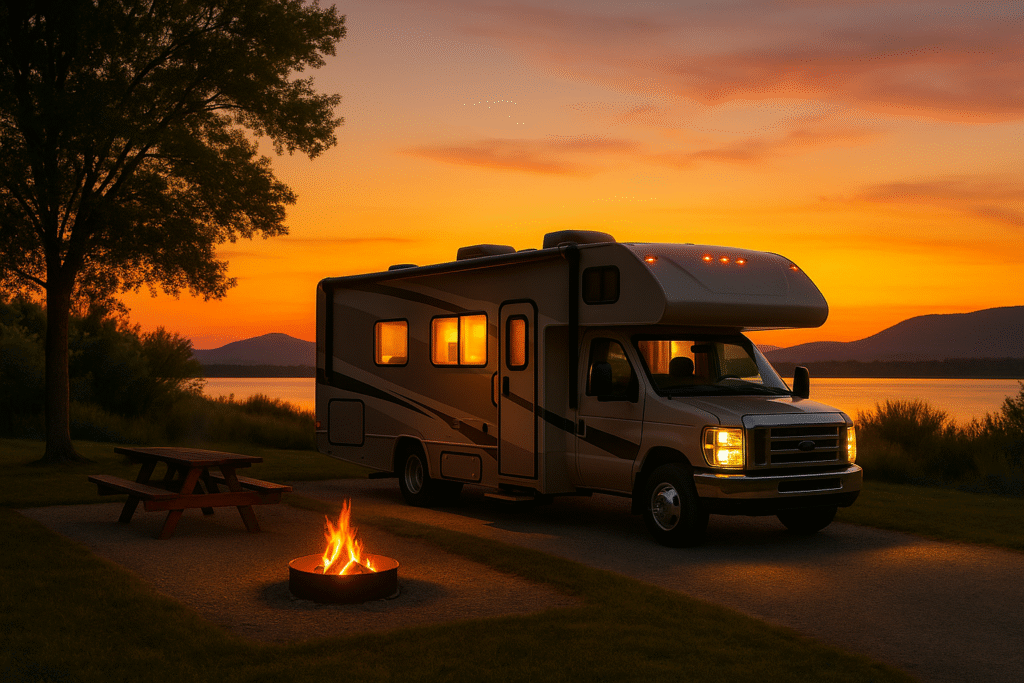
But the real value of RVing goes beyond the financial side. A quiet morning coffee outside your door. A sunset that feels like it was painted just for you. A night sky full of stars instead of city lights. These are the moments that make RV travel special.
Owning an RV means choosing a lifestyle built around adventure, connection, and flexibility. You don’t have to wait for the perfect travel deal—you create your own. Every mile opens a new chapter, every campsite brings a new memory, and every trip reminds you that the best parts of travel aren’t the expensive ones… they’re the experiences.
Years from now, you probably won’t remember the money you saved on trips. But you will remember the places you explored, the campfires you shared, and the freedom you gained along the way.
And that’s the kind of investment that pays you back for a lifetime.
Helpful RV Guides to Read Next