Buying an RV looks simple on paper. You see the price, picture weekend trips, and assume the rest will work itself out. That’s how most people go into it — and that’s also why so many new RV owners are surprised a few months later.
The truth is, RV ownership comes with costs that don’t get much attention at the dealership. Not because anyone is trying to hide them, but because they don’t show up on the sticker or in a monthly payment. They show up later — after a few trips, a few fuel stops, and a few maintenance issues you didn’t expect.
None of these costs are deal-breakers. In fact, for many people, RVing is still one of the best ways to travel and enjoy more freedom. But the people who enjoy it the most are the ones who understand the full picture before they buy.
This article isn’t about scaring you away or breaking down exact budgets. It’s about the hidden RV costs that tend to surprise first-time owners — so you can go in with realistic expectations and avoid learning these lessons the hard way.
Table of Contents
RV Maintenance Is Ongoing — Even When You’re Not Traveling
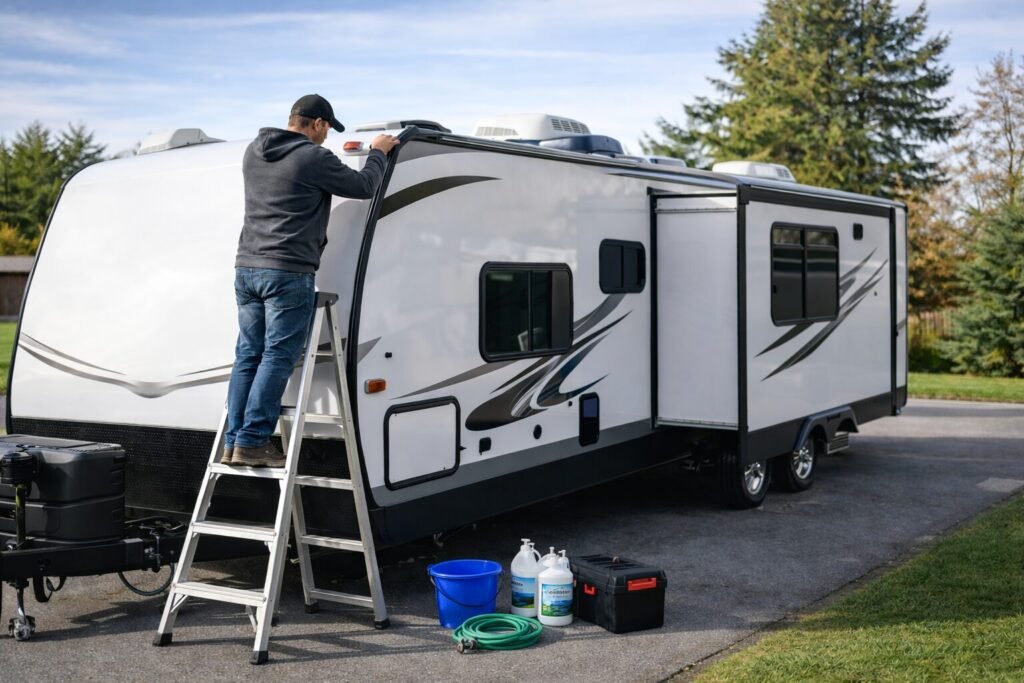
One of the biggest surprises for new RV owners is realizing that maintenance doesn’t stop just because the RV is parked. Unlike a car, an RV is a small house sitting outside, exposed to sun, rain, heat, cold, and moisture year-round.
Seals dry out, roofs need regular inspection, tires age whether you’re driving or not, and appliances can fail simply from sitting unused. Even something as simple as a slide-out can start causing problems if it isn’t exercised and maintained. These aren’t “old RV” issues — they happen to brand-new rigs, too.
This catches people off guard because maintenance isn’t tied to mileage. You can take just a handful of trips and still find yourself dealing with roof resealing, slide adjustments, or appliance repairs. Skipping routine checks often turns small issues into much bigger ones later.
RV maintenance isn’t a reason to avoid ownership, but it is something to plan for from day one. Owners who expect ongoing upkeep tend to enjoy their RV more — because they aren’t surprised when it’s time to take care of it.
Fuel Costs Feel Small Until You Start Driving Regularly
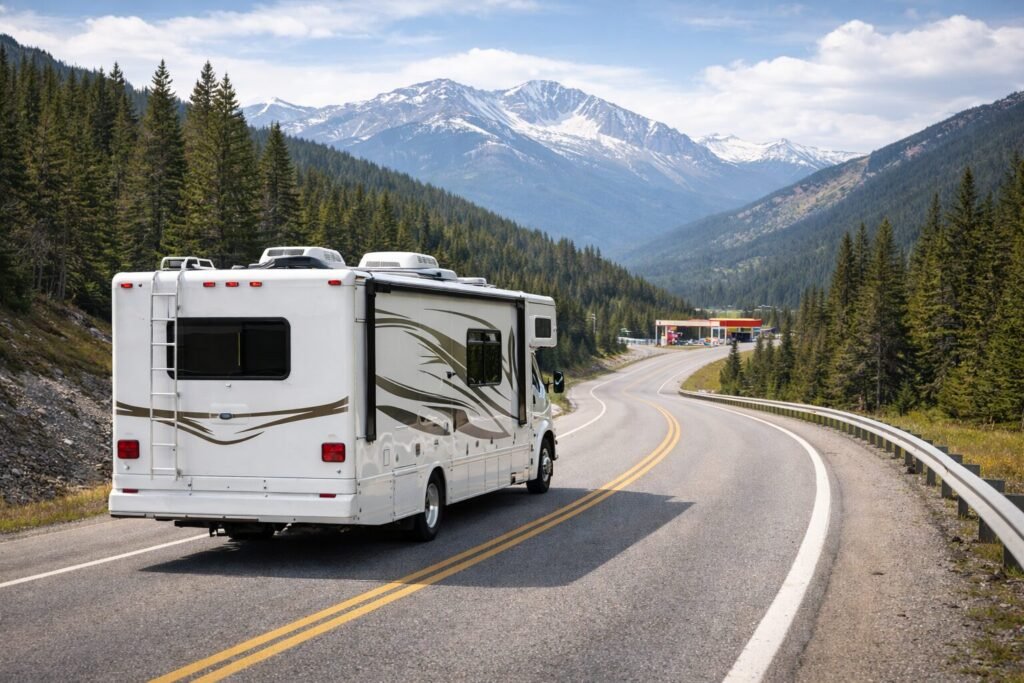
Fuel is one of those costs most RV buyers think they understand — until they actually start traveling. On paper, a few miles per gallon difference doesn’t seem like much. In real-world RV travel, it adds up faster than people expect.
Wind, terrain, speed, and weight all play a role. A long stretch of highway with a headwind or a day climbing through mountain passes can change fuel consumption dramatically. Even driving a little faster than planned can quietly increase fuel costs over the course of a trip.
Towable RV owners often feel this the most. Once a trailer is hooked up, fuel economy can drop sharply, especially on longer drives or in hilly areas. Motorhomes aren’t imm18une either — they feel every change in speed, load, and driving conditions.
Fuel costs aren’t a reason to avoid RV travel, but they’re one of the first “hidden” expenses people notice once they start moving regularly. Understanding that fuel usage fluctuates helps set realistic expectations before those first long trips.
Camping Isn’t Always Cheap (Especially in Popular Areas)
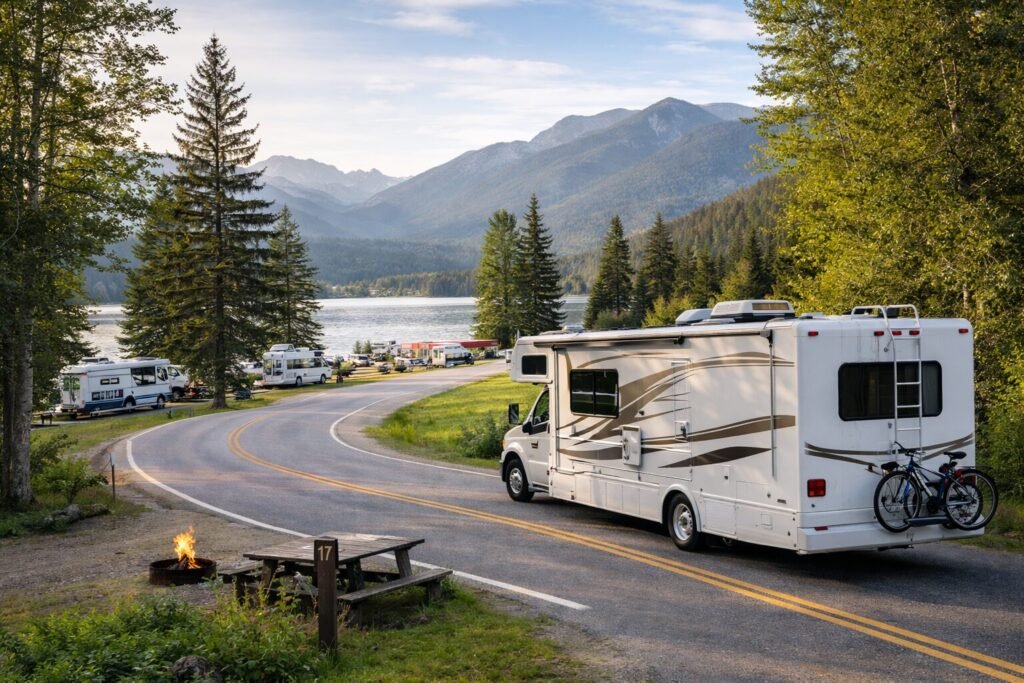
Many people assume camping automatically means low-cost travel. And sometimes it does. But once you start staying in popular destinations or traveling during peak seasons, campground costs can be a surprise.
Full-hookup parks, resorts, and well-located campgrounds often charge more than people expect, especially near national parks, beaches, or major attractions. Even basic sites can jump in price during busy times, and popular areas tend to book up fast, limiting your lower-cost options.
On top of the nightly rate, extra fees can creep in quietly. Electricity charges, reservation fees, premium site locations, and add-on amenities all increase the final cost of a stay. None of these feel expensive on their own, but over multiple nights or longer trips, they add up.
Camping can still be very affordable with the right strategy, but it isn’t automatically cheap just because you’re in an RV. Understanding how location, timing, and amenities affect campground pricing helps prevent sticker shock when planning trips.
Insurance, Registration, and Fees Add Up Quietly
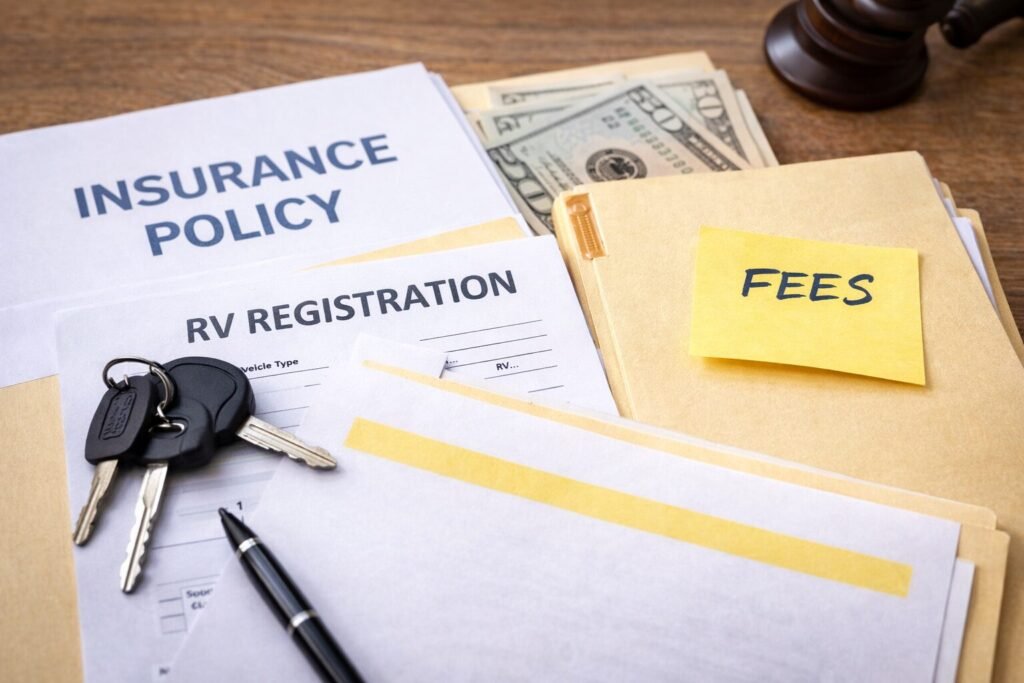
Insurance and registration are easy to underestimate because they don’t feel like “RV expenses” in the same way fuel or camping does. They’re predictable, recurring, and usually handled automatically — which is exactly why they tend to fade into the background.
RV insurance often costs more than buyers expect, especially once coverage is adjusted to match how the RV is actually used. Full-timing, extended travel, or higher-value rigs can all change what adequate coverage looks like. Many owners only realize this after the first policy renewal or a conversation with their insurer.
Registration, taxes, inspections, and state-specific fees are another quiet layer. Depending on where the RV is registered, these costs can vary widely and may come due annually or biannually. They aren’t dramatic expenses, but they are unavoidable and ongoing.
None of these costs are surprises on their own. What surprises new owners is how consistently they show up year after year. Factoring them in early helps avoid the feeling that money is leaking out in places you didn’t plan for.
Repairs Never Happen at a Convenient Time
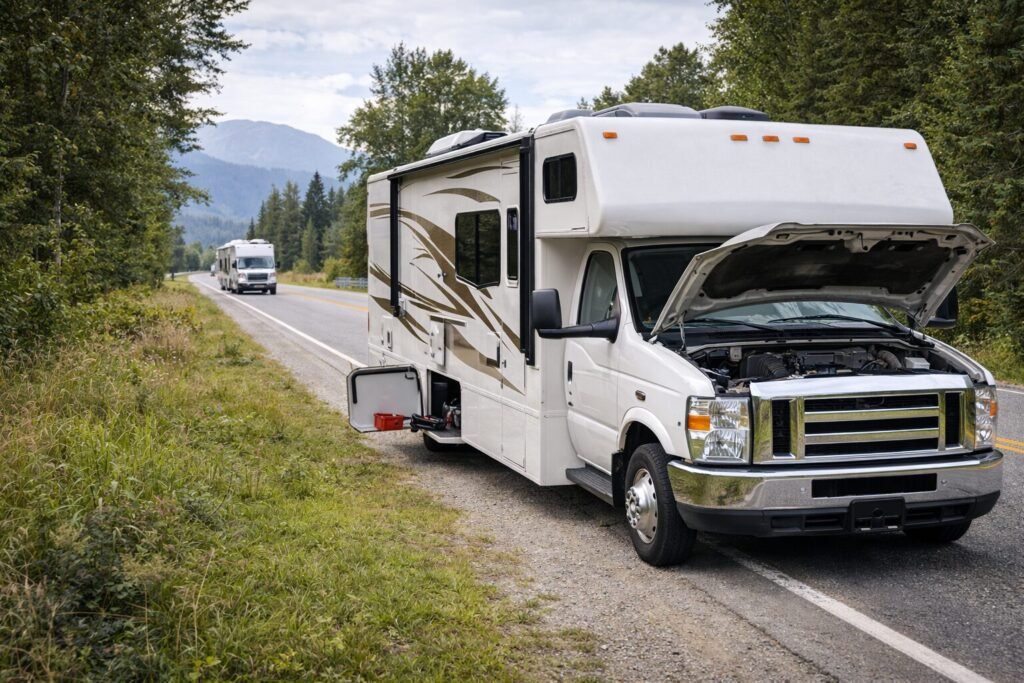
One of the most frustrating realities of RV ownership is that repairs rarely happen when it’s easy or affordable. They tend to show up right before a trip, during peak travel season, or when you’re already on the road and far from home.
Unlike a car, many RV repairs aren’t quick drop-offs. Service centers often book weeks out, parts can take time to arrive, and some issues can’t be safely ignored until later. Even a small problem can disrupt travel plans if it affects slide-outs, plumbing, electrical systems, or safety-related components.
This is where expectations matter. New owners often assume warranties or roadside assistance will keep everything moving smoothly. In reality, those things help — but they don’t eliminate downtime, scheduling delays, or the inconvenience of waiting on repairs when you’d rather be traveling.
Repairs are part of RV ownership, not a sign that you bought the wrong rig. Knowing they’re inevitable makes them less stressful and easier to plan around, especially when trips don’t go exactly as expected.
The Little Things That Cost More Than Expected
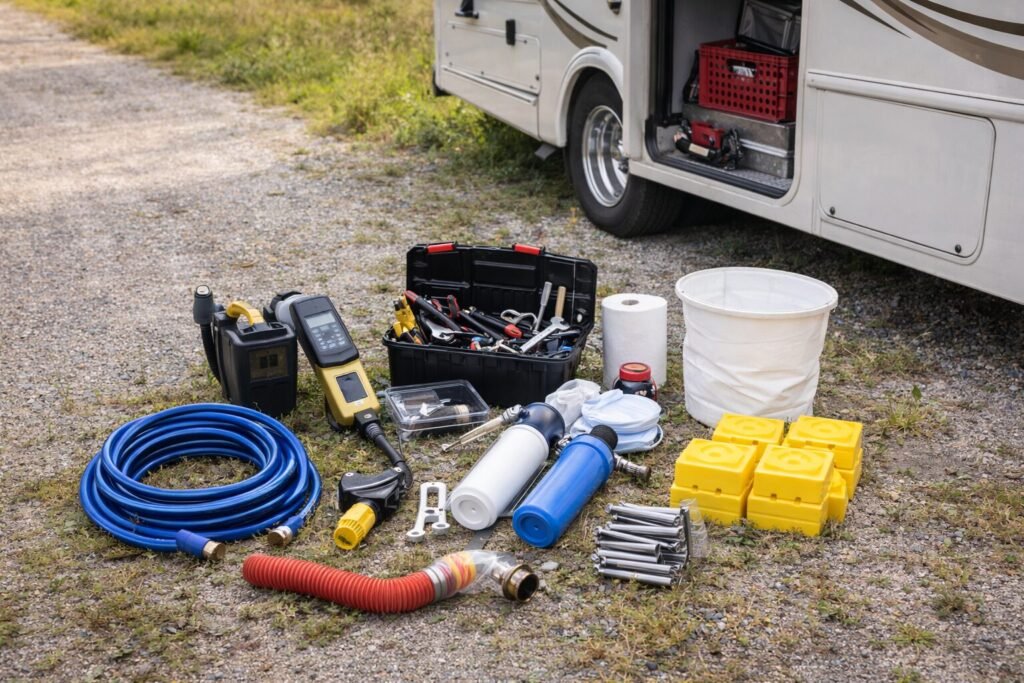
Most RV owners don’t get tripped up by one big expense — it’s the steady stream of small purchases that add up over time. These are the items that feel minor in the moment, especially when you’re focused on getting ready for a trip or solving a problem quickly.
Things like hoses, adapters, leveling blocks, surge protectors, and replacement parts tend to get bought as needed, not all at once. You realize you’re missing something at a campground, pick it up on the road, and move on. Individually, none of these feel significant. Collectively, they become part of the ongoing cost of ownership.
Storage and organization fall into this category too. As you travel more, you start upgrading bins, tools, cleaning supplies, and maintenance products just to keep things manageable. These aren’t flashy purchases, but they’re practical — and they tend to keep coming.
This is one of the reasons RV costs feel higher than expected over time. It’s not that any single item breaks the budget. It’s that ownership slowly brings a long list of “extras” you didn’t think about when you first imagined RV life.
Why These Costs Catch New RV Owners Off Guard
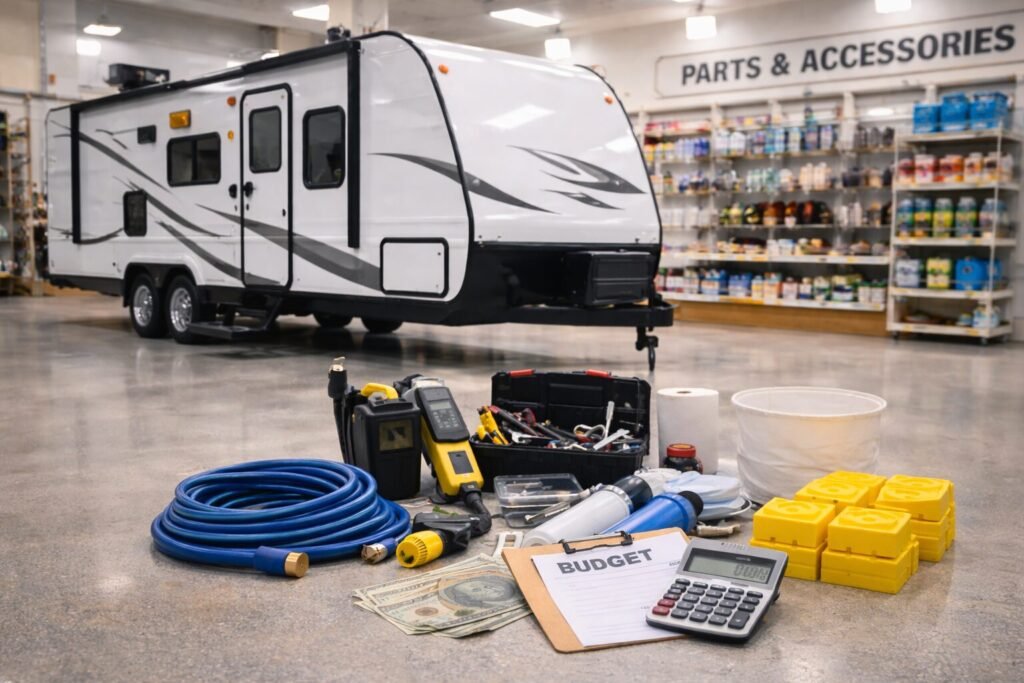
Most hidden RV costs aren’t truly hidden — they’re just spread out, delayed, or easy to underestimate before ownership begins. When people shop for an RV, the focus is usually on the purchase price, monthly payment, or how often they plan to travel. The ongoing details tend to fade into the background.
RV ownership blends vehicle expenses with home-style upkeep, and that combination is unfamiliar to many first-time buyers. Fuel behaves differently than everyday driving, maintenance continues even when the RV is parked, and small purchases pile up slowly instead of arriving all at once. None of these feel alarming on their own, but together they reshape the real cost of ownership.
Another reason these costs catch people off guard is timing. Expenses don’t arrive neatly spaced out. They often show up during trips, at the start of a season, or when plans are already in motion. That makes them feel more disruptive than they actually are.
The owners who enjoy RVing the most aren’t the ones who spend the least — they’re the ones who understand the full picture early. Knowing what to expect removes frustration and turns these costs into part of the lifestyle instead of constant surprises.
According to industry data from the RV Industry Association, RV ownership combines vehicle-related expenses with home-style maintenance, which is why costs can feel higher than expected for first-time owners.
How to Avoid Getting Blindsided by Hidden RV Costs
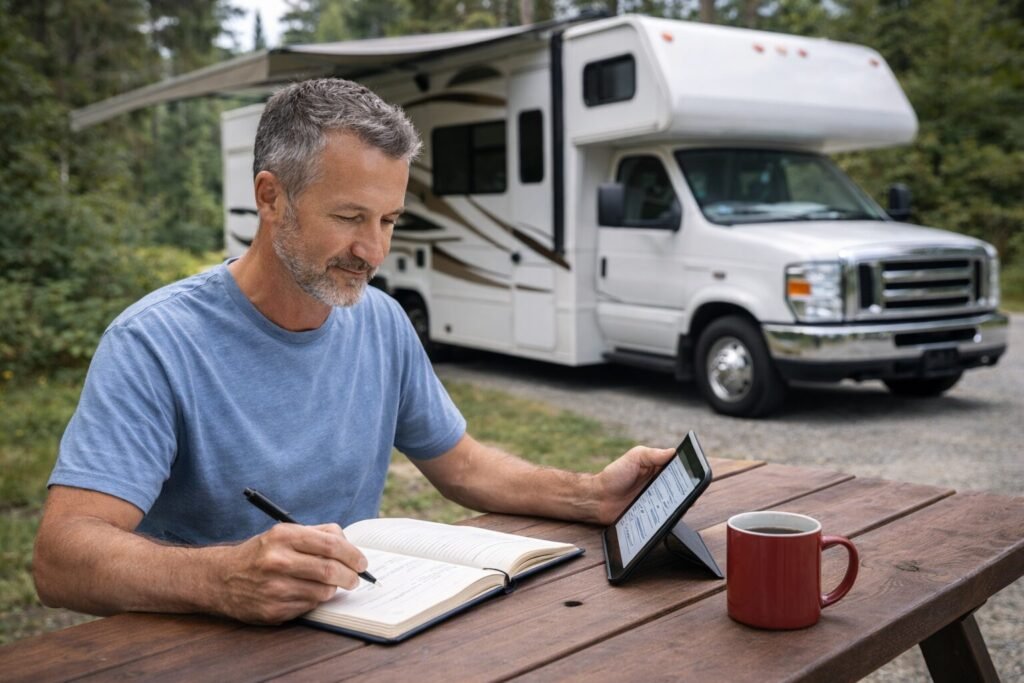
Hidden RV costs don’t mean RV ownership is a bad idea — they just mean it requires a different mindset than most first-time buyers expect. RVs combine the expenses of a vehicle with the upkeep of a small home, and that reality becomes clearer the longer you own one.
The key isn’t trying to eliminate these costs. It’s recognizing them early and planning for them realistically. Owners who understand what’s coming are far less stressed when expenses show up, because they’re expected rather than surprising.
If you’re thinking about buying an RV or want a clearer picture of what ownership really looks like over time, taking a deeper look at the full cost breakdown is worth it. That includes everything from ownership expenses to long-term considerations that don’t show up on day one.
RVing can still be an affordable, flexible, and rewarding way to travel — especially when you go in informed. Knowing the full picture upfront turns hidden costs into manageable parts of the lifestyle instead of constant frustrations.
Go here if you want the full RV ownership cost breakdown.
Related Reading