
Many RV owners eventually deal with a mouse problem. It often begins with a small sound at night. A faint scratching behind a cabinet. Something moving in the walls. At first it is easy to ignore. RVs make a lot of small noises when they sit at a campsite or in storage. But sometimes those sounds mean something else is living inside your camper.
The first time we noticed it, the RV had been parked for a few weeks between trips. Everything looked normal from the outside. The doors were closed. Storage compartments were sealed. Nothing seemed out of place. But late that night there was a light scratching noise coming from the kitchen area. It was quiet, but it was definitely there.
The next morning we started looking around. That is when the signs appeared. Small droppings in a storage compartment. Pieces of insulation pulled loose. Something had clearly moved in while the RV was sitting. At that moment it became obvious that mice had found their way inside.
Learning how to keep mice out of your RV is important for protecting your camper. Mice can cause more damage than many RV owners expect. They chew electrical wiring. They shred insulation to build nests. They contaminate cabinets and storage areas. In some cases they can even damage appliances or plumbing lines. A small mouse problem can quickly turn into expensive repairs.
RVs are especially attractive to rodents. Campgrounds, storage lots, and wooded areas often have large mouse populations. Your RV offers warmth and shelter from predators. Inside the camper there are dark spaces that make perfect nesting areas. Even small food crumbs left behind after a trip can attract rodents.
Another reason mice enter RVs so easily is the number of small openings built into the structure. Plumbing lines pass through the floor. Electrical wiring runs through the frame. Vents and underbelly panels create small gaps underneath the RV. These openings may look tiny to us, but a mouse can squeeze through a hole the size of a coin.
Storage periods are when many RV owners experience mouse problems. When a camper sits unused for weeks or months, it becomes a quiet shelter. No movement. No noise. No activity. For a mouse looking for a safe place to nest, an RV in storage can look like the perfect home.
The good news is that most mouse problems can be prevented. A few simple habits make a big difference. Regular inspections help catch small openings before mice find them. Sealing entry points keeps rodents from slipping inside. Keeping the RV clean removes the smells that attract them in the first place.
Once you understand why mice are attracted to campers and how they enter, it becomes much easier to stop them before they cause damage.
Why Mice Are Attracted to RVs
RVs provide many of the things mice look for when searching for shelter. A camper offers warmth, protection from predators, and quiet spaces where rodents can hide. Campgrounds and RV storage areas are often located near fields, forests, or open land where mice already live. According to the National Park Service, rodents naturally search for food and shelter near areas where people camp and store supplies.
Food smells are one of the biggest reasons mice explore RVs. Even when cabinets look clean, small crumbs from snacks or cooking can attract rodents. Pet food, trash bags, and food containers stored in cabinets can also create scents that mice detect quickly. Mice have a strong sense of smell. Even a small amount of food residue can bring them inside.
Another reason mice are attracted to RVs is the number of protected hiding spaces they provide. Cabinets, storage compartments, wall cavities, and underbelly areas offer quiet locations where mice can build nests. These areas stay dark and undisturbed. That makes them ideal places for rodents to settle in.
Seasonal weather also plays a role. As temperatures begin to drop, mice start searching for warm places to stay. An RV that sits unused in storage can become a perfect shelter. There is little movement and very little noise. For a mouse looking for a safe nesting area, a parked camper can look like an easy home.
Long-term RV storage increases the risk even more. When a camper sits for weeks or months without being used, it becomes a quiet and protected environment. Mice are more likely to explore underneath the RV, around storage bays, and inside small openings near plumbing or wiring. The Centers for Disease Control and Prevention notes that rodents often move into buildings, vehicles, and storage spaces when looking for shelter and nesting areas.
Understanding why mice are attracted to RVs helps prevent problems before they begin. When food smells are reduced and entry points are sealed, your camper becomes far less appealing to rodents.
How Mice Get Into an RV
Many RV owners are surprised by how easily mice can enter a camper. It does not take a large hole. A mouse can squeeze through an opening about the size of a dime. Small gaps that seem harmless to us can be wide enough for a mouse to slip inside.
Before they even reach an opening, mice first have to climb onto the RV. This is easier than most people think. Mice are excellent climbers and can scale rough surfaces quickly. Tires are one of the most common ways they reach the RV. The rubber tread provides traction, making it easy for mice to climb up and reach the frame or wheel wells. Once there, they begin exploring for small openings.
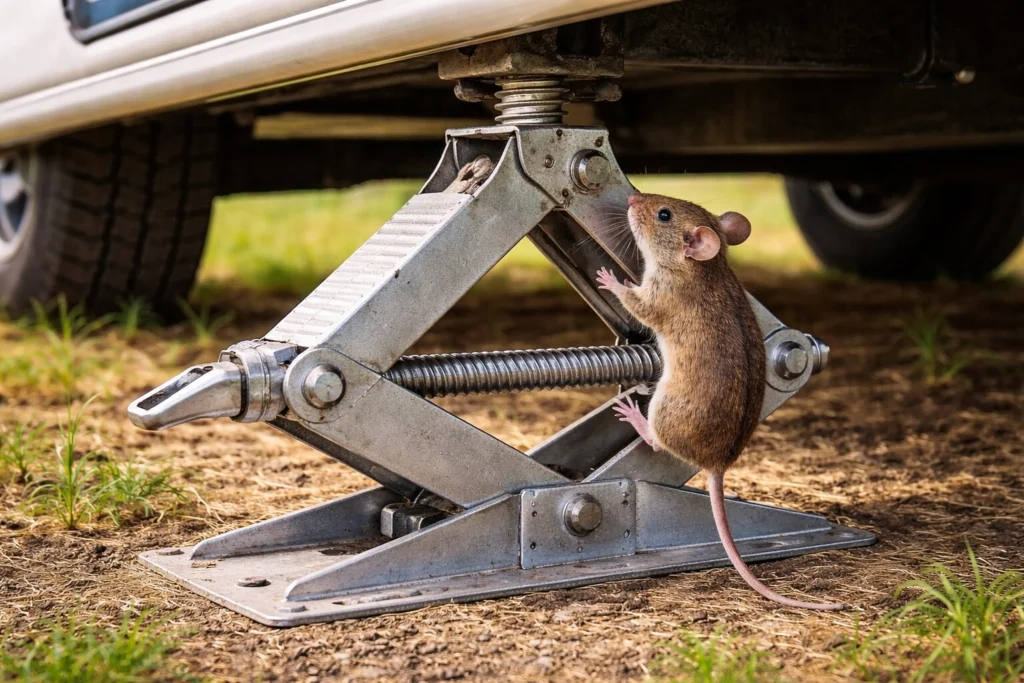
Landing gear and stabilizer jacks can also act like ladders. These metal supports connect directly from the ground to the RV frame. Mice can climb straight up the landing gear or jack legs and reach the underside of the camper. From there they begin searching for small gaps around plumbing lines, wiring, or underbelly panels.
Power cords, water hoses, and sewer hoses can create another path. When these lines run from the ground to the RV hookups, they can act like bridges. Mice sometimes follow these lines upward until they reach the utility access area. If there is even a small gap around those openings, they may slip inside.
Once underneath the RV, mice begin looking for entry points. Plumbing lines, electrical wiring, and propane lines all pass through the floor and frame of the camper. These openings are necessary for the RV’s systems, but they can also leave small gaps. If these areas are not sealed properly, rodents can crawl through and enter hidden spaces inside the walls or cabinets.
Storage compartments can also create entry points. Rubber seals around compartment doors can wear out over time. Small cracks can form around hinges or latches. Mice are very good at finding these weak spots. Once inside a storage bay, they may chew through soft materials or squeeze through small openings into the interior of the RV.
The underbelly of an RV is another common place where mice enter. Many travel trailers and fifth wheels have enclosed underbellies made from thin plastic or fabric panels. If these panels are damaged or loose, mice can crawl inside the space between the floor and the protective covering. From there they may find openings leading into cabinets, plumbing areas, or insulation.
Understanding how mice reach and enter an RV helps prevent problems before they start. When you inspect tires, landing gear, and the underside of the camper regularly, you are more likely to catch small entry points before mice move inside.
Common Entry Points Where Mice Get Into an RV
Most RV owners are surprised by how small a hole a mouse can use. A mouse only needs an opening about the size of a dime. Sometimes even smaller. That means tiny gaps around plumbing, wiring, and frame openings can become entry points.
One of the most common areas is the RV underbelly. Manufacturers run water lines, electrical wiring, propane lines, and drain pipes through the floor of the camper. Small gaps are often left around these openings during manufacturing. Those gaps might not look large, but to a mouse they are more than enough space to squeeze through.
Another common entry point is around slide-outs. Slide mechanisms create small seams where the slide room meets the main body of the RV. Most of the time the rubber seals protect these areas well. But if the seals wear out or become loose, small rodents can sometimes work their way inside.
Storage compartments can also create access points. Many exterior compartments share wall cavities with the inside of the RV. If a mouse enters a storage bay through a small gap or damaged seal, it may only take a short climb to reach cabinets or hidden spaces inside the camper.
Roof openings can occasionally be a problem as well. Vents, air conditioners, and plumbing vents are designed to keep water out, but small cracks in sealant or damaged vent covers can create hidden pathways. Mice are excellent climbers and will explore nearly every part of a parked RV.
The most overlooked entry points are often around plumbing and hose openings in the underbelly. Fresh water lines, sewer pipes, and wiring bundles often pass through holes that are just slightly larger than the pipe itself. Over time those openings can widen or the sealing material can break down. When that happens, a mouse can easily squeeze through the gap and enter the protected space inside the RV walls.
Because these openings are usually underneath the camper, many owners never notice them until a rodent problem appears. Finding and sealing these small entry points is one of the most effective ways to keep mice out of your RV.
How to Keep Mice Out of Your RV (Proven Prevention Methods)
Keeping mice out of an RV is much easier than trying to remove them after they move in. Most experienced RV owners focus on prevention first. The goal is simple. Remove food smells. Eliminate entry points. Make the RV less attractive for nesting.
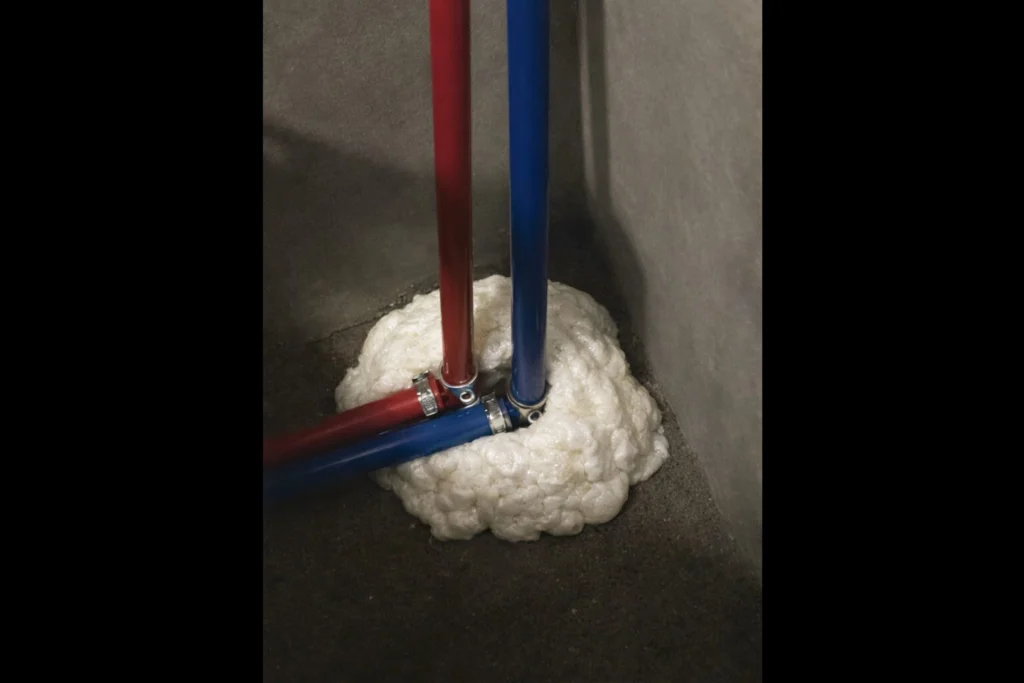
The first step is sealing entry points. Small gaps around plumbing lines, wiring, and frame openings should be inspected carefully. Many RV owners use steel wool combined with expanding foam to block these openings. Steel wool makes it difficult for rodents to chew through the seal. Pay close attention to areas where water lines, propane lines, and electrical cables pass through the RV floor or underbelly.
Another important habit is removing food sources. Even small crumbs can attract rodents. Dry food should be stored in sealed containers rather than original packaging. Trash should never sit inside the RV overnight, especially when camping near wooded areas or fields. Pet food is another common attractant and should always be stored in airtight containers.
Many RV owners also focus on controlling scents inside the camper. Mice rely heavily on smell to locate food and shelter. Cleaning countertops, sweeping floors, and wiping down cooking areas helps remove food odors. Some RV owners place peppermint oil cotton balls or commercial rodent repellent packs inside cabinets and storage compartments to discourage mice from exploring the space.
Another commonly recommended step is placing traps as an early warning system. Snap traps or electronic traps placed in storage compartments, near the kitchen area, and inside the RV under sinks can help catch mice before they establish nests. Many experienced campers keep a few traps set year-round, even when they have not seen signs of rodents.
Some RV owners even travel with a cat. Cats are natural predators and the scent of a cat alone can discourage mice from exploring the area. While a cat will not completely eliminate the possibility of rodents, many campers say having a cat around the campsite or inside the RV greatly reduces the chances of mice settling in.
Proper RV storage practices can also make a big difference. When storing the RV for extended periods, remove all food items completely. Clean the refrigerator and pantry thoroughly. Some owners place traps or deterrents throughout the RV before closing it up for the season. A camper that smells clean and has no food inside is far less attractive to rodents.
Finally, it helps to control the environment around the RV. Tall grass, brush piles, and stacked firewood create perfect hiding areas for mice. Keeping the area around the camper clear reduces the number of rodents exploring the RV in the first place.
Most rodent problems start when a mouse finds easy shelter and food. When those things are removed, an RV becomes a much less appealing place for rodents to live.
Where Mice Usually Nest Inside an RV
Once mice get inside a camper, they rarely stay in the open. They look for dark, quiet areas where they can build nests and avoid being disturbed. RVs unfortunately provide many of these spaces. Small cavities behind cabinets, inside wall panels, and under furniture create protected hiding places that are difficult for owners to see.
One of the most common nesting areas is behind kitchen cabinets and under sinks. These areas often contain plumbing lines and small openings that allow mice to enter from the underbelly. Once inside, the warm space behind the cabinets provides an ideal nesting location close to potential food sources.
Another common nesting location is inside storage compartments and under beds. These spaces are rarely disturbed and often contain blankets, clothing, or other soft materials that mice can use to build nests. Even cardboard boxes stored in compartments can become nesting material.
Mice also frequently nest inside the RV underbelly. Many travel trailers and fifth wheels have a sealed underbelly panel that protects tanks and plumbing. If a mouse enters this area through a small opening, it may build a nest near insulation or wiring. This can be especially problematic because mice often chew electrical wires while building nests.
You may also find nesting activity behind refrigerators or appliances. These areas stay warm and are rarely inspected, making them attractive shelter for rodents.
Signs that mice may already be nesting in your RV include small droppings, shredded paper or insulation, scratching sounds in walls, or unusual odors inside cabinets or storage areas. Finding these signs early allows you to remove nests and prevent a larger infestation.
Understanding where mice hide helps RV owners know where to inspect. Regularly checking these hidden areas can stop a small problem before it turns into a major repair.
Best Places to Set Mouse Traps and Bait in an RV
If mice have already found their way inside your camper, traps and bait can help remove them before they multiply. The key is placing them in the right locations. Mice usually travel along edges and walls rather than crossing open spaces. That means traps and bait should be placed where rodents naturally move.
One of the best places to set traps is under the kitchen sink or inside the cabinet beneath it. Plumbing openings in this area are one of the most common entry points for mice. Placing traps near the back of the cabinet increases the chance of catching a mouse soon after it enters.
Another effective location is behind the refrigerator or stove. These appliances often have small gaps where pipes or electrical lines pass through the floor. The space behind appliances is warm and hidden. That makes it a common travel path for rodents.
Storage compartments are another area many RV owners overlook. Exterior storage bays that contain hoses, tools, or camping gear can provide easy shelter for mice. Setting traps along the edges of these compartments can stop rodents before they move deeper into the RV.
Many RV owners also place traps inside the RV under beds or inside large cabinets. These areas stay quiet and dark. Mice often move through these spaces at night while searching for food.
Some RV owners also use mouse poison bait stations. These are small containers that hold rodent bait while preventing pets or children from accessing it. Bait stations are often placed in exterior compartments, under the RV, or in storage bays where mice may travel. Poison bait can be effective for reducing mouse populations, but it should be used carefully. If a mouse consumes poison and dies inside a wall or under the floor, it can create a strong odor that is difficult to locate.
For this reason, many RV owners prefer using traps inside the living space and reserving bait stations for areas outside the camper or in storage areas. The goal is to intercept mice along their normal travel paths and remove them before they begin nesting inside the RV.
RV Storage Tips to Prevent Mice
Many mouse problems start when an RV sits unused for weeks or months. A parked camper provides warmth, shelter, and quiet hiding spaces that rodents naturally look for. Taking a few simple steps before storing your RV can greatly reduce the chances of mice moving in.
The most important step is removing all food from the RV. Even small crumbs or sealed packages can attract rodents. Pantry items, snacks, pet food, and even spices should be taken out before storage. Wipe down countertops, sweep the floors, and clean the inside of cabinets to remove any lingering food smells.
It also helps to empty the trash and clean the refrigerator before closing up the camper. Food residue left in the refrigerator or trash can create strong odors that attract mice. Many RV owners leave the refrigerator door slightly open during storage to prevent moisture and odors from building up.
Another helpful step is blocking potential entry points before storage. Inspect the RV underbelly, plumbing openings, and wiring pass-throughs underneath the camper. Small gaps can be sealed with steel wool and expanding foam to prevent mice from squeezing through. Some RV owners place traps or bait stations inside storage compartments and under sinks before putting the camper away. This creates an early warning system in case mice attempt to enter during storage.
Keeping the area around the RV clean can also make a big difference. Tall grass, stacked firewood, and brush piles provide perfect hiding places for rodents. Storing the camper in a clear, open area with less cover makes it harder for mice to approach without being exposed.
Finally, many experienced RV owners check their camper every few weeks during long storage periods. Opening compartments, inspecting cabinets, and looking for droppings can help catch a problem early before mice begin nesting inside the RV.
Taking a little time to prepare your RV for storage can prevent major problems later. A clean camper with no food smells and sealed entry points is far less appealing to rodents looking for a place to live.
Natural Ways Some RV Owners Try to Repel Mice
In addition to sealing entry points and setting traps, many RV owners try natural methods to discourage mice from entering their campers. These approaches are not always guaranteed to work, but they are commonly used as an extra layer of prevention.
One method many RV owners try is peppermint oil. Cotton balls soaked with peppermint oil are often placed in cabinets, storage compartments, and under sinks. The strong smell is believed to irritate rodents and make enclosed spaces less comfortable for them. While peppermint oil may help temporarily, the scent fades fairly quickly and usually needs to be refreshed every week or two.
Another method often mentioned in RV forums is dryer sheets. Some RV owners place dryer sheets in drawers, closets, and storage areas before storing their camper. The idea is similar to peppermint oil. The strong scent may make enclosed spaces less attractive to mice. However, many experienced RV owners report mixed results, and dryer sheets alone usually do not stop determined rodents.
Some people also use mothballs in exterior storage compartments or under the RV. Mothballs release a chemical odor that rodents tend to avoid. However, they can create a very strong smell inside the camper if used in enclosed spaces. Because of this, they are usually placed in outdoor compartments rather than inside living areas. Mothballs should also be used carefully around pets and children.
Another option many RV owners try is electronic mouse deterrents, sometimes called ultrasonic rodent repellers. These small plug-in devices emit high-frequency sound waves that are intended to disturb rodents and make the area uncomfortable for them. They are commonly plugged into outlets inside the RV or in storage buildings. Some RV owners report that these devices help reduce rodent activity, while others say the results are inconsistent. Because of that, they are usually used as a supplement rather than a replacement for sealing entry points and setting traps.
A more unusual solution some RV owners mention is keeping a cat nearby. Some people travel with a cat in their RV, while others keep a barn cat near stored campers. The scent of a predator can sometimes discourage mice from exploring the area. While this obviously isn’t practical for everyone, it is something some long-time RV owners claim helps keep rodents away.
Natural deterrents can sometimes help reduce rodent activity, but they work best when combined with more reliable prevention methods. Sealing entry points, removing food sources, and checking your RV regularly are still the most effective ways to keep mice from moving into your camper.
Final Tips to Keep Mice Out of Your RV
Keeping mice out of an RV usually comes down to a combination of prevention and regular inspection. No single trick works perfectly on its own. The RV owners who have the fewest problems are usually the ones who stay consistent with a few simple habits.
Start by making your camper as unattractive to rodents as possible. Remove all food before storing the RV and wipe down cabinets and counters to eliminate food smells. Even tiny crumbs can attract mice, and once they discover a reliable food source they tend to return.
Next, focus on blocking entry points around the RV. Small gaps around plumbing lines, wiring holes, and underbelly openings are some of the most common ways mice get inside. Sealing these openings with steel wool and expanding foam can prevent rodents from squeezing through.
Regular inspections also help catch problems early. Every few weeks, open cabinets, check storage bays, and look underneath the camper for signs of droppings or nesting material. Finding evidence early makes it much easier to deal with a small problem before it grows into an infestation.
Many experienced RV owners also leave a few traps in key locations year-round, especially under sinks, in storage compartments, or near plumbing openings. Even if mice attempt to enter, traps can stop them before they spread throughout the RV.
Finally, keep the area around your camper clean. Tall grass, stacked wood, and clutter near the RV provide hiding places for rodents. Parking in a clear area and reducing nearby shelter makes it harder for mice to approach unnoticed.
With a little preparation and regular checks, most RV owners can avoid serious mouse problems. A clean camper with sealed openings and a few preventive measures in place is far less inviting to rodents looking for a place to settle in.
A clean and organized campsite also helps prevent pests. This campsite setup guide explains how to organize your site properly.