
Winter RV camping is one of the best ways to experience RVing in a whole different way. The road is quieter, the scenery changes, less crowds and the whole experience slows down in a way summer just doesn’t allow. A lot of people pack their rigs away after Labor Day, but winter is one of the best times to travel if you know how to prepare and where to go.
Cold air rolling off a lake at sunrise… steam rising from a hot spring… empty campgrounds that are usually booked solid… or heading south and trading early-morning frost for warm sand under your feet. Winter RVing gives you a level of calm and space that peak-season travel can’t touch. Fewer crowds. Lower off-season rates. More room to breathe.
This guide walks you through how to get your RV ready for cold-weather travel, and then it breaks down the 10 best winter RV destinations in the U.S. Whether you’re chasing snow, chasing sunshine, or just looking for a quieter way to travel, you’ll find solid options here.
The National Park Service keeps many of its major parks open year-round, and winter can be the best time to see them — clean air, clearer views, and none of the chaos that summer brings.
If you’re just getting started with RV life and want to understand why so many people fall in love with this lifestyle, take a look at our guide Why the RV Lifestyle Is the Ultimate Way to Enjoy Free Time. Winter is just one more season that proves how much freedom this way of travel can give you.ys to experience the quiet beauty of the open road during the colder months.
Table of Contents
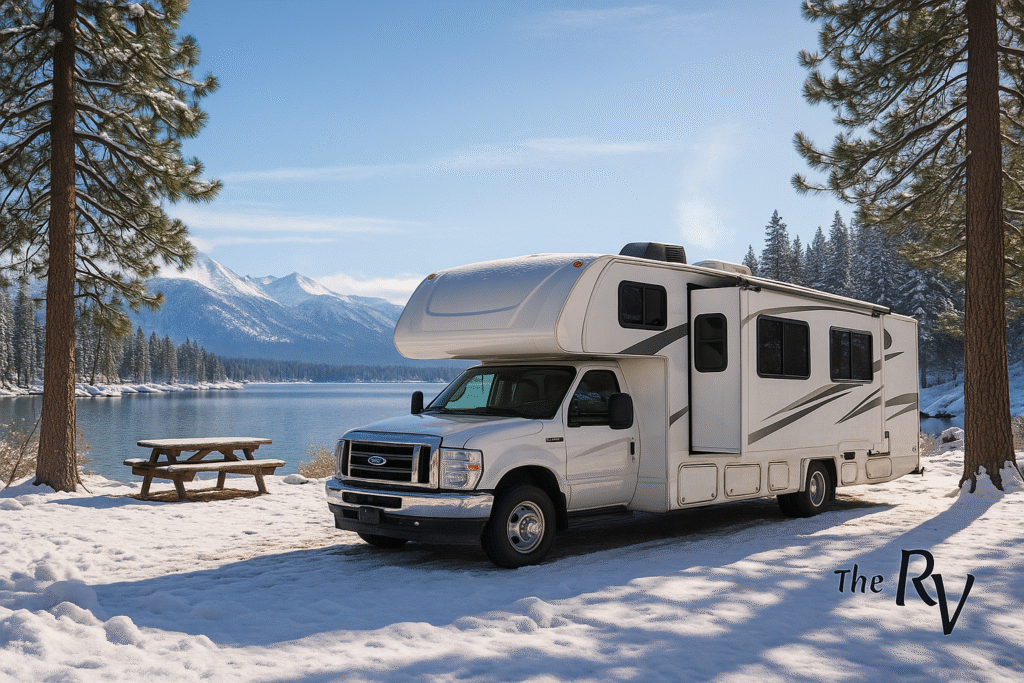
Winter RV Camping Basics
Cold temperatures change how your RV behaves. Heat escapes faster, systems work harder, and anything involving water becomes more sensitive. Your furnace cycles more often, your batteries drain quicker, and interior humidity can climb if you’re not ventilating. Winter travel is all about understanding how your rig reacts so you can stay ahead of it instead of chasing problems on the road.
Protecting Your Water System
Your plumbing is the part of the RV that hates winter the most. When temperatures drop below freezing, your fresh water hose, tanks, fittings, and any exposed lines are at risk. The goal is simple: keep water moving and keep it warm enough so nothing freezes. That usually means using a heated hose, adding insulation around exposed piping, keeping the furnace running so interior lines don’t freeze, and knowing when to disconnect from the spigot overnight. Once you learn how your setup behaves in the cold, it becomes second nature.
 $78.99Buy Now
Worry-Free Self-Tightening Ratchets Provide Automatic Tightening And Centering
We earn a commission if you make a purchase, at no additional cost to you.
03/24/2026 03:09 pm GMT-
$18.99$16.99Buy NowPaint Protection Design: The bristle head looks lighter in color and finer because we polished the head of the bristle, and each bristle head was split into several strands for being softer (not faded and worn) to avoid scratching the car paint.
We earn a commission if you make a purchase, at no additional cost to you.
03/24/2026 03:09 pm GMT -
$148.99$138.99Buy NowAnti-Freeze Heating Design: Our heated sewer hose is specifically designed for RV use, preventing freezing in the winter and ensuring smooth waste disposal. It features an automatic temperature control system and built-in thermostat, keeping the sewer hose clear without the risk of overheating.
We earn a commission if you make a purchase, at no additional cost to you.
03/24/2026 03:10 pm GMT -
$71.09$60.99Buy NowOur heated water hose for rv through the intelligent heating control system in order to keep the water flow will not freeze in the hose, even when the temperature outside drops to -45°F. It's a well-known fact that in most areas during winter nights, regular hoses freeze due to low temperatures.
We earn a commission if you make a purchase, at no additional cost to you.
03/24/2026 03:10 pm GMT -
$14.75Buy Now
Great for RV winterizing
We earn a commission if you make a purchase, at no additional cost to you.
03/24/2026 03:09 pm GMT -
$29.99$19.99Buy NowLED DISPLAY FOR EASY MONITORING – Equipped with a smart LED screen that shows both battery status and heat level.
We earn a commission if you make a purchase, at no additional cost to you.
03/24/2026 03:10 pm GMT


Keeping Heat Inside
Heat retention is everything. An RV loses warmth far quicker than a house, so sealing drafts and insulating weak spots makes a big difference. Window coverings, skirting, and small fixes like foam floor mats or vent cushions help hold onto heat so the furnace isn’t burning through propane all night. Every little bit you do to reduce heat loss pays you back in comfort and fuel savings.
Power Use in Freezing Temperatures
Cold weather puts a heavier load on your batteries. Your furnace blower, space heaters, and tank heating pads all draw power, and cold temps reduce battery efficiency. If you’re plugged into shore power, it’s not a problem. Off-grid, you’ll want to monitor your battery levels more closely, run your generator as needed, and avoid draining your batteries too far. Winter RVing is smoother when you treat power like a resource instead of an afterthought.
Winter Road Safety Basics
Driving an RV in winter is less about skill and more about controlled decisions. Cold tires, heavy rigs, and icy conditions change stopping distances and steering response. Slowing down, avoiding sudden inputs, and keeping extra space around you make a huge difference. Watch downhill grades closely, use tow/haul or engine braking to stay in control, and save the brake pedal for when you truly need it. Once you settle into that steady, predictable rhythm, winter miles actually feel peaceful.
Top 10 Winter RV Adventures
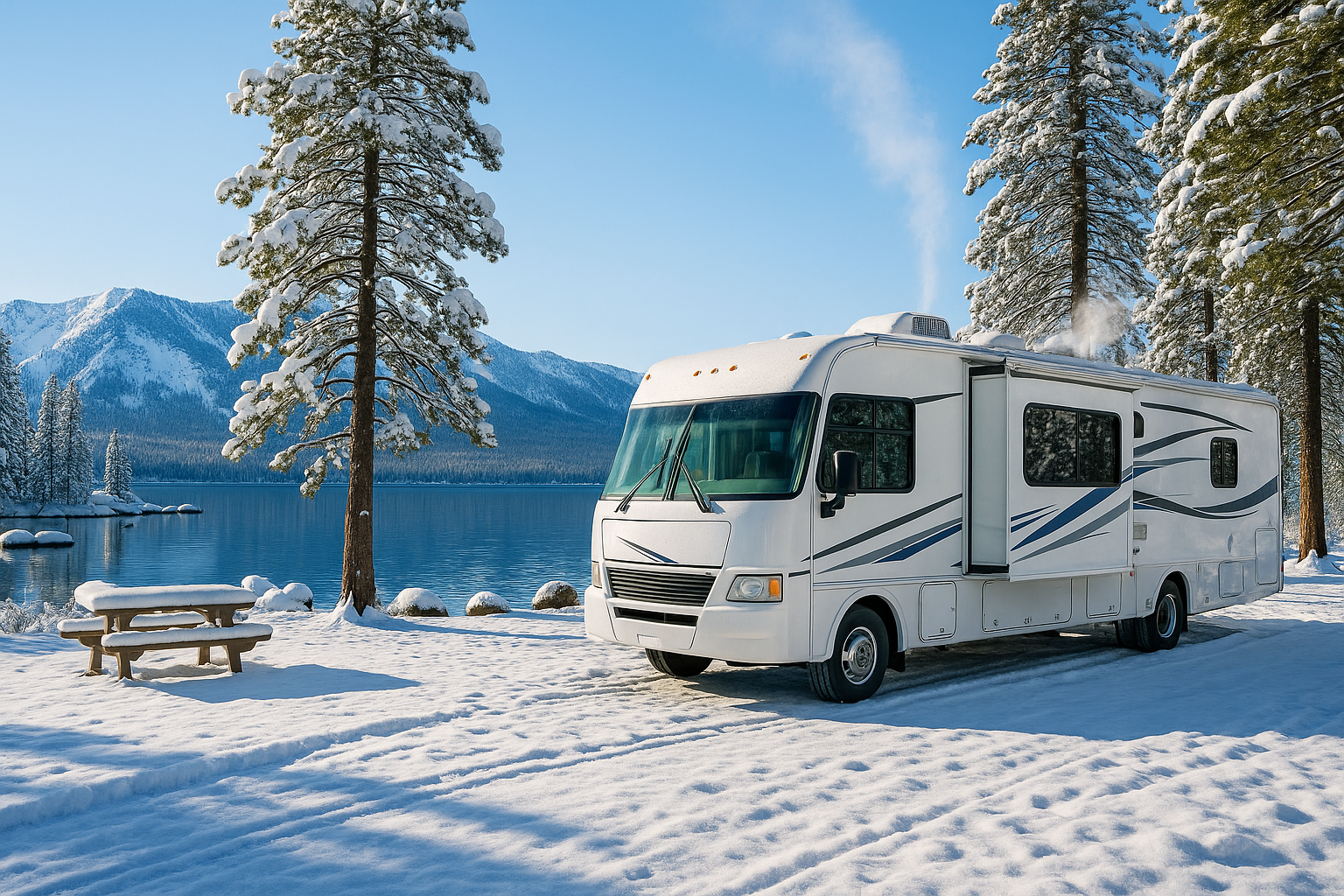
Cold-weather destinations bring out a completely different side of RV travel — one that feels quieter, deeper, and honestly a little magical. When the temperatures drop and the crowds disappear, America’s mountains, forests, and national parks transform into peaceful winter playgrounds where everything slows down. Snow-covered trails, silent valleys, frosted evergreens, and crisp morning air give you the kind of calm you almost never find during peak summer season.
Winter RVing in cold climates isn’t just about the scenery — it’s about the atmosphere. Campgrounds that are usually booked solid feel wide-open and unhurried. Wildlife moves differently this time of year. Sunrises hit sharper. Even the sound of your boots on frozen ground feels different. It’s the kind of camping where you breathe a little deeper and notice details you’ve never seen before.
With the right prep — insulated hoses, warm bedding, solid heating, and a rig that’s ready for colder nights — these destinations become some of the most rewarding places you can take an RV. Instead of battling summer heat, you’re sipping hot coffee while watching steam rise off a partially frozen river. Instead of crowded overlooks, you’re getting entire scenic pull-offs all to yourself. And every night feels like a perfect excuse for a warm meal, a heavy blanket, and a view of the stars through cold, clear skies.
These winter destinations are ideal for RVers who crave space, stillness, and adventure — the kind that comes with snowshoes, quiet trails, and the confidence of knowing you’re prepared for the season. Once you experience the solitude and beauty of winter RV camping, you start to understand why so many travelers say it’s their favorite time of year to be out there.
Cold Weather Adventures
Cold-weather destinations bring out a completely different side of RV travel. Snow-covered trails, quiet campgrounds, and crisp mountain air create a slower, calmer pace that you rarely find in peak season. These spots are ideal if you enjoy winter scenery, wide-open spaces, and the kind of peaceful parks that usually stay packed all summer. When your rig is prepared and you’re comfortable with winter driving, these destinations become some of the most rewarding places to camp.
Lake Tahoe, California & Nevada
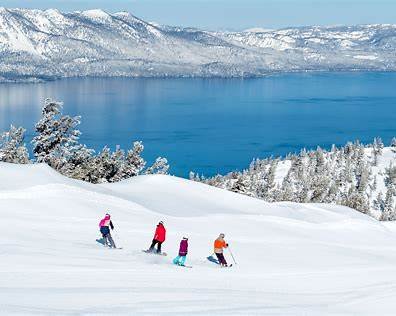
Lake Tahoe transforms into a true alpine playground once winter settles in. The air gets still and crisp, the pines gather heavy white shoulders, and every trail, slope, and lakeshore seems to glow with that deep-blue, high-mountain winter light. It’s a destination where you can spend the morning chasing powder, the afternoon wandering quiet forest trails, and the night tucked inside your warm RV listening to the wind moving through the trees.
Downhill skiers and snowboarders have their pick of world-class mountains — Heavenly, Northstar, and Kirkwood all sit within easy reach of the lake, each offering a different personality. Heavenly gives you those massive panoramic views straight over the water; Northstar leans into that upscale resort feel with smooth groomers and a cozy village; Kirkwood brings the serious snow for riders who want steep terrain and deep storms.
If you’re not into downhill, Tahoe’s winter trail network is just as impressive. Snowshoe loops wind through old-growth pines and around frozen meadows, giving you quiet places to explore at your own pace. Cross-country ski areas offer miles of groomed tracks, and even simple lakeside hikes become something special in winter — every overlook feels calmer, clearer, more intimate than it does in summer.
And after a day outside, the towns around Tahoe give you plenty of ways to unwind. South Lake Tahoe has that lively, energetic vibe: restaurants, cafés, hot drinks, and lake views. The North Shore has a quieter feel with local shops, breweries, and little spots to settle in while the snow falls outside.
Winter in Tahoe feels like the perfect blend of adventure and comfort. Ski all day, wander the snowy shoreline at sunset, then head back to your site, turn up the heat, and settle in. This is a destination where winter camping just feels right — like the season and the setting were made for each other.
Where to camp
- Tahoe Valley Campground (South Lake Tahoe, CA) – Open year-round, full hookups, close to ski resorts.
- Sugar Pine Point State Park (West Shore, CA) – Rustic option, winter loop open, first-come, first-serve spots available.
- Zephyr Cove RV Park & Campground (Nevada side) – Full-service, open year-round, near snowmobile tours.
- Coachland RV Resort (Truckee, CA) – Year-round with full hookups; mountain/snow access is excellent though snow may affect some sites.
- Lake Tahoe KOA (South Lake Tahoe, CA) – Open all year, limited RV sites in winter, close to town.
Activities
Winter opens up a full range of snow-focuseWinter turns Tahoe into a world-class playground. Skiers and snowboarders head straight for Heavenly, Northstar, Palisades Tahoe, or Kirkwood — all offering completely different experiences. Heavenly gives you those jaw-dropping views straight over the lake as you cut across wide groomers. Northstar leans into that polished resort vibe with smooth runs and a cozy village atmosphere. Kirkwood is the heavyweight: deep snow, dramatic terrain, and fewer crowds. And if you want the iconic experience, Palisades Tahoe (formerly Squaw Valley) brings that classic Olympic-style mountain energy.
But Tahoe in winter isn’t only about skiing. Snowshoe trails run through quiet forests and along frozen shorelines. State parks like Sand Harbor become incredibly photogenic when snow meets bright blue water. Lower-elevation hikes stay accessible, and you’ll often find yourself alone on trails that are packed in summer. Sunrise and sunset hit differently here in winter — the sky goes pink, the lake turns glassy, and the snow glows gold along the ridges.
Evenings are just as rewarding. South Lake Tahoe brings restaurants, cafés, and a lively downtown vibe with plenty of places to warm up. The North Shore is calmer, perfect for a quiet evening walk or a relaxed dinner with lake views. No matter where you base your RV, winter in Tahoe gives you endless ways to mix adventure with comfort.
Pros:
You get year-round access to one of the most beautiful winter destinations in the country. Full-hookup RV parks stay open, skiing is world-class, and the scenery is incredible from every angle. Trails are less crowded, the shoreline is peaceful, and you can enjoy both mountain adventure and lakeside relaxation in the same day.
Cons:
Winter storms can roll in quickly, and snow can stack up fast at 6,200–7,300 feet. Chains or traction devices may be required during storms. Some shoreline trails become icy, and West Shore access can be limited in heavy weather. Popular ski areas create traffic on weekends, especially around South Lake.
Tip:
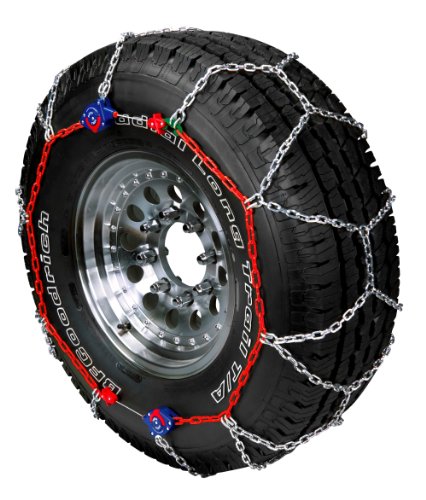
Always carry chains or approved traction devices — Nevada and California both enforce chain laws in winter storms, and the fines are real. Even if roads look clear, conditions can change fast around the lake.
Great Smoky Mountains, Tennessee & North Carolina
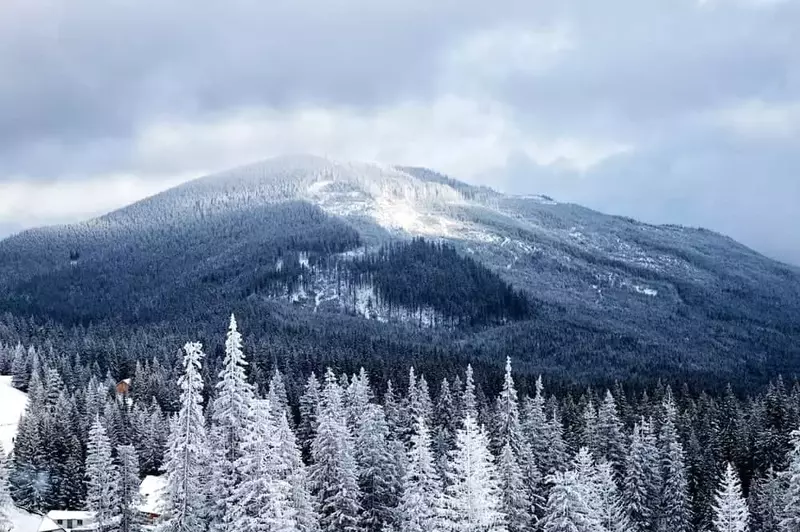
Winter transforms the Smokies into something completely different from the bustling summer season. The crowds thin, the air gets clearer, and those famous blue ridges take on a soft, frosted glow. Mornings often start with mist drifting through the valleys, while the higher peaks catch touches of snow that make the whole range feel calm and untouched. Temperatures stay milder than western mountain regions, which makes winter here feel inviting instead of harsh — a perfect balance for RV travelers.
Driving through the park becomes an experience all its own this time of year. Cades Cove feels quieter, almost like stepping back in time as deer and wild turkeys wander through bare fields with snow-dusted cabins in the background. Newfound Gap Road winds up into the higher elevations where the spruce-fir forests turn the landscape into a cool, alpine world. On clear days, the overlooks stretch for miles across layered ridges fading from gray to blue.
Trails at lower elevations stay open and accessible, giving you plenty of places to stretch your legs without dealing with heavy snow. Laurel Falls, Alum Cave (lower portion), and the Quiet Walkways all offer peaceful winter hikes where the only soundtrack is the crunch of leaves and the distant rush of mountain streams. Wildlife stays active too — you’ll often spot elk near the Oconaluftee Visitor Center or see movement along the forest edges as the day warms up.
And when you want something a little more playful, winter fun isn’t far away. Ober Mountain in Gatlinburg brings tubing lanes, skiing, and scenic tram rides up the ridge, giving you that taste of winter recreation without needing to head west. Afterward, towns like Gatlinburg, Pigeon Forge, and Townsend give you warm places to land — coffee shops, restaurants, cozy stores, and all the convenience you need when the evening chill rolls in.
Winter in the Smokies hits a sweet spot: mountain views, light snow, mild weather, and easy access to everything you need. You get the beauty of winter without the extremes, and with quiet roads, open hikes, and year-round RV parks nearby, it’s a destination that feels peaceful, comfortable, and perfectly suited for winter RV travel.
Where to camp:
- Elkmont Campground (inside park, TN side): Limited winter access, reduced services.
- Smokemont Campground (inside park, NC side): Limited winter availability near Cherokee.
- Riveredge RV Park (Pigeon Forge, TN): Year-round, full hookups, heated pool, Wi-Fi.
- Twin Creek RV Resort (Gatlinburg, TN): Year-round, full hookups, close to the park entrance.
- Townsend RV Parks (Townsend, TN): Open all year, quieter base with family-owned options.
Activities
Winter in the Smokies slows everything down just enough that you really notice the details — the quiet roll of mist through the valleys, the way frost clings to the branches along the ridgelines, and how the park’s most famous spots feel wide open again.
Scenic drives become one of the best ways to experience that shift. Cades Cove, normally packed in summer, turns peaceful in winter, letting you cruise the loop road at your own pace while watching deer drift through open meadows and the old pioneer cabins sit quietly against the frosted ridges. Newfound Gap Road offers a completely different experience as it climbs into the high country; one minute you’re in mild, grassy foothills, and the next you’re surrounded by spruce-fir forest dusted with snow, with overlooks that stretch across layer after layer of blue-gray mountains.
Trails at the lower elevations stay accessible most of the season, and winter gives them a totally different character. Laurel Falls feels calmer without the crowds — the sound of the water echoes more, the air feels sharper, and the forest opens up so you can see farther into the hills. Even short walks along the Quiet Walkways or the river trails become something memorable because the winter light is softer and the woods feel open and still. Wildlife stays active too, especially around dawn and dusk, and it’s not unusual to spot elk near the Oconaluftee Visitor Center or see small groups of deer moving along the edges of the forest as the day warms.
If you want real winter fun, Gatlinburg’s Ober Mountain adds that extra layer of adventure. The aerial tram gives you a sweeping ride up the mountain, and once you’re there you can jump into tubing, take a few runs on the ski slopes, or join a guided winter tour that gives you a different look at the surrounding ridges. It’s the kind of spot where families mix winter play with mountain views, and it fits perfectly into an RV trip because it’s close, convenient, and easy to get to even when the temperatures dip.
Winter in the Smokies is all about balance — enough winter atmosphere to feel magical, but mild enough to stay comfortable. With quiet trails, beautiful drives, nearby towns full of food and entertainment, and easy-access snow play at Ober Mountain, it’s a destination that keeps you exploring all day and relaxing all evening.
Pros:
Winter brings out the best version of the Smokies if you enjoy quiet, scenic mountain travel. The lower elevations stay mild enough for comfortable RV camping, while the higher ridges pick up just enough snow to turn the landscape into a soft, frosted mountain backdrop. Wildlife is active, roads are calm, and viewpoints that are often crowded in summer feel wide open again. Plus, with Gatlinburg, Pigeon Forge, and Townsend open year-round, you have every convenience—restaurants, shops, fuel, and full-hookup RV parks—right at the edge of the park. It’s a perfect blend of natural beauty and easy access.
Cons:
Winter weather in the Smokies is unpredictable. A week of mild temperatures can shift overnight into icy roads, high-elevation closures, and limited access to areas like Clingmans Dome. Many national park campgrounds reduce services or close entirely, and inside the park you won’t find hookups or modern amenities. Even the lower roads can get slick during cold snaps, so travel plans sometimes need to bend with the weather. If you want guaranteed full-service camping, you’ll be relying on the gateway towns instead of camping deep in the park.
Tip:
Use the gateway towns—Gatlinburg, Pigeon Forge, and Townsend—as your winter base. They stay fully operational year-round with reliable hookups, and you can dip into the park for day trips without worrying about closures or overnight temperatures. It gives you the freedom to explore the Smokies in any weather while keeping your RV warm, powered, and comfortable.
Yosemite National Park, California
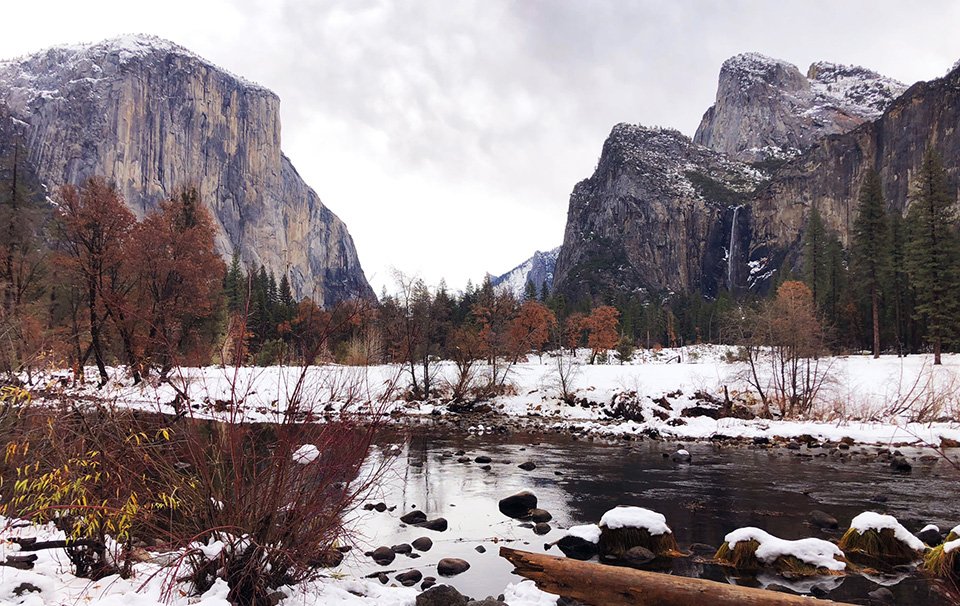
Yosemite in winter feels like a national park turned quiet cathedral — a place where everything slows down and the landscape almost seems to breathe. The towering granite walls soften under a layer of white, the meadows settle into wide, silent blankets of snow, and the forests take on that hushed, almost sacred feeling you only get when winter settles deep into the Sierra Nevada. With summer crowds gone, the Valley becomes open and peaceful again. You can stand beneath El Capitan or gaze at Half Dome without the usual buzz of people around you, and the stillness makes those massive cliffs feel even more powerful.
Snow drifts gently across the Valley floor, adding texture and depth to every view. Yosemite Falls echoes louder in the cold air, and the Merced River winds through the snow like a ribbon of clear glass. Even simple walks—across Swinging Bridge, through Cook’s Meadow, or along the base of the cliffs—feel different in winter. The cold sharpens the scenery, but the quiet warms the experience. It’s the kind of place where you find yourself pausing more, breathing deeper, and noticing details you’d never see during warmer, busier months.
For RV travelers, winter brings something special you just can’t get in summer. Campsites feel spacious and calm. Roads through the Valley are slower, quieter, more scenic. And every evening, the last bit of light hits the cliffs in a way that makes the whole valley glow rose-gold against the snow. It’s peaceful, intimate, and unforgettable. Winter doesn’t just change Yosemite — it transforms the entire experience of being there.
Where to camp:
- Upper Pines Campground (inside Yosemite Valley): Open year-round, RV-friendly but no hookups.
- Indian Flat RV Park (El Portal, CA): Year-round full hookups, just outside the Arch Rock entrance.
- Yosemite Lakes RV Resort (Groveland, CA): Open year-round, full hookups, Thousand Trails property.
- High Sierra RV & Mobile Park (Oakhurst, CA): Year-round full-service sites near the south entrance.
- Lower Pines & North Pines Campgrounds: Closed in winter, reopen in spring.
Activities:
Winter changes the way Yosemite feels, sounds, and even looks from the moment you step into the Valley. Trails that are shoulder-to-shoulder in summer become peaceful pathways where you can move at your own pace, hearing the crunch of snow under your boots and the echo of waterfalls carrying through the cold air. Lower Yosemite Falls is one of the best winter walks — mist rises through the trees, ice forms along the edges of the rocks, and the falls roar louder in the stillness. Mirror Lake becomes a different experience entirely, with the winter quiet turning the whole basin into a reflective, open space surrounded by towering granite walls.
One of the best parts of winter in Yosemite is how easy it is to slow down. Walking through Cook’s Meadow or across the Valley Loop Trail gives you uninterrupted views of Half Dome, El Capitan, and the Three Brothers glowing under crisp winter light. Sometimes you catch the cliffs glowing soft pink at sunset, and other times they rise white and cold against a deep blue sky. Every turn feels like a fresh perspective you’ve never seen before.
If you’re up for more adventure, Yosemite’s winter recreation scene is built around Badger Pass — one of the oldest ski areas in the country and still one of the most relaxed. You can take a few runs, join a guided snowshoe trek, or explore miles of cross-country ski trails that lead into quiet backcountry views you simply can’t reach any other way. Snowshoeing beneath giant sequoias or cutting across a fresh stretch of powder at Badger Pass is about as “winter Yosemite” as it gets.
Between outings, Yosemite Village and Wawona offer warm places to regroup — visitor centers, historic lodges, cafés, and plenty of places to shake off the cold before heading back out. Even the simple experience of sitting near the Merced River or watching the mist rise off Bridalveil Fall feels richer in winter because the whole Valley is quiet enough to let you enjoy it without distraction.
Winter gives Yosemite a slower rhythm, and that becomes the real activity: walking, exploring, watching, noticing, breathing. Every moment feels calmer, clearer, and more connected to the landscape than it ever does in summer.
Pros:
Winter gives Yosemite a rare personality you won’t find in any other season. The Valley becomes quiet and wide open, letting you experience its iconic cliffs without the rush of summer crowds. Snow settles gently across meadows and forests, turning every view into something worthy of a postcard. Trails like Lower Yosemite Falls and Mirror Lake stay accessible, yet feel peaceful and almost private. Photography is incredible—soft winter light, reflective water, snow-dusted granite walls. And with Upper Pines Campground open year-round, you can stay inside the Valley and wake up surrounded by winter scenery that feels almost unreal.
Cons:
Yosemite’s winter beauty comes with a few limitations. High-elevation roads like Tioga Road and Glacier Point Road are fully closed for the season, cutting off access to some of the park’s most famous viewpoints. Storms can move in fast, reducing visibility and occasionally slowing travel into or around the Valley. Chain controls are common and strictly enforced, even for RVs and heavy-duty tow vehicles. Inside the Valley, hookups aren’t available, and temperatures can dip well below freezing at night, so winter prep is essential.
Tip:
Bring properly sized tire chains—and know how to put them on before you arrive. Yosemite doesn’t make exceptions for RVs or big tow rigs when chain controls are active. Having chains on board ensures you won’t get turned away at the gate, and it keeps you safe if a sudden storm sweeps through the Valley while you’re exploring.
Rocky Mountain National Park, Colorado
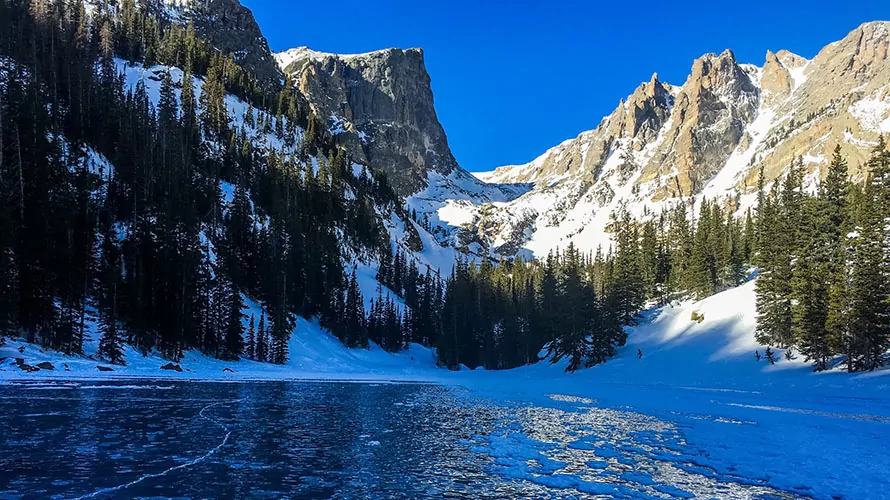
Rocky Mountain National Park is breathtaking in every season, but winter transforms it into something quieter, softer, and more dramatic all at once. Snow settles across the high peaks like powdered sugar, the meadows turn still and white, and the entire park takes on that crisp alpine feel that’s almost addictive if you love mountain winters. Without the summer crowds, the park’s big scenery feels even larger. You can stand at the edge of Moraine Park, look out toward Longs Peak, and hear nothing but wind, distant wildlife, and your own footsteps in the snow.
Even though Trail Ridge Road closes for the season, winter access stays easy from both Estes Park on the east side and Grand Lake on the west. The lower valleys remain open year-round, and the contrast between quiet forests, frozen lakes, and those iconic towering ridges makes every turn feel like stepping into a postcard. For RV travelers, this is the kind of winter destination that rewards you with massive views, peaceful nights, and that crisp high-elevation air that makes everything feel a little more alive.
Where to camp:
- Moraine Park Campground (inside RMNP): One loop stays open year-round, vault toilets, no hookups.
- Estes Park KOA (Estes Park, CO): Year-round, full hookups, laundry, Wi-Fi, near the east entrance.
- Elk Meadow Lodge & RV Resort (Estes Park, CO): Open year-round with full hookups, laundry, showers, and mountain views.
- Spruce Lake RV Resort (Estes Park, CO): Year-round with full-service sites, close to town.
- Winding River Resort (Grand Lake, CO): Limited winter sites near the west entrance, great for snow activities.
Activities:
Winter turns Rocky Mountain National Park into one of the best snowshoe and cross-country ski destinations in the country. Trails around Bear Lake, Sprague Lake, and Glacier Basin stay accessible, and once they’re covered in snow they become wide-open winter paths where you can wander beneath towering pines with nothing but the sound of your boots or skis on the crust. The air is thin, clean, and sharp — the kind of air that wakes you up and makes every view feel crystal clear.
Wildlife is impossible to miss this time of year. Elk gather in the meadows around Moraine Park, mule deer move quietly between tree lines, and moose often wander near the wetlands on both the Estes Park and Grand Lake sides. The snow makes their tracks easy to spot, and the slower pace of winter makes wildlife viewing feel natural and unhurried.
Photography becomes almost too good. Frozen waterfalls, ice-framed rivers, snow-covered boulders, and those Ten Mile and Front Range peaks in the background — the entire place feels made for winter landscapes. The park also offers ranger-led winter programs where you can learn about ecology, animal tracking, and winter survival while exploring the forest with an expert guide.
And when you’re ready for warmth, Estes Park gives you an easy place to settle in with restaurants, coffee shops, gear stores, and a friendly mountain-town energy that fits perfectly with a winter RV trip.
Pros:
Rocky Mountain National Park offers the perfect mix of peaceful wilderness and year-round comfort. You get rustic, quiet winter camping inside the park if you want the full snow experience, or you can stay in Estes Park for full hookups, hot showers, and a warm base between adventures. The snowshoeing, wildlife viewing, and photography opportunities are world-class — some of the best winter landscapes in North America.
Cons:
Winter here can be brutally cold, especially at night. Subzero temperatures are common, so insulation, heated hoses, and a good furnace are essential. Much of the high country remains closed, and Trail Ridge Road won’t reopen until late spring, limiting access to the alpine zones. If you need hookups, you’ll be staying on the Estes Park side rather than inside RMNP.
Tip
Carry traction devices (like tire chains or AutoSocks) even if the roads look clear. Weather changes fast at 8,000–10,000 feet, and unexpected snow or ice can move in quickly. Having the right gear keeps you safe — and keeps you from getting turned away at park gates during storms.
Yellowstone National Park, Wyoming & Montana
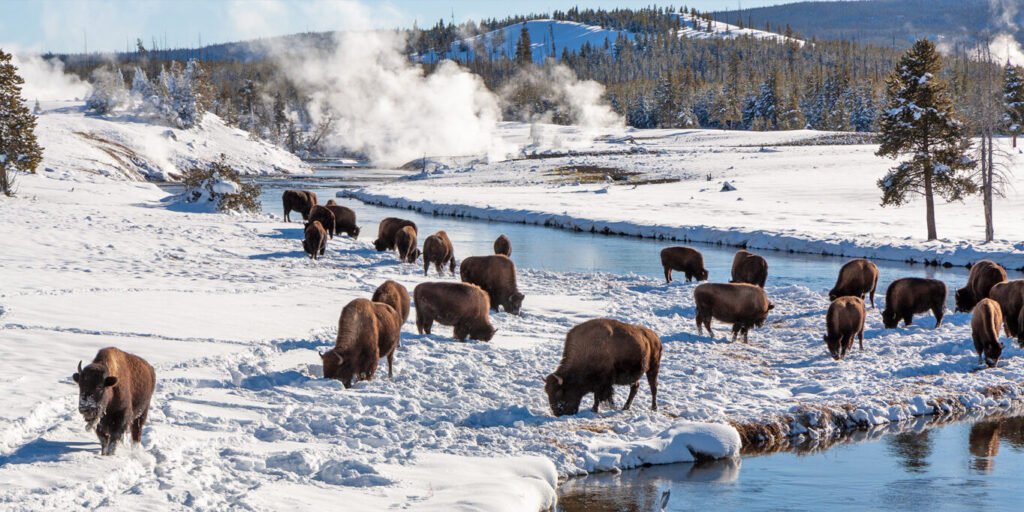
Yellowstone in winter feels almost otherworldly — a massive, wild landscape wrapped in silence and snow, where steam rises from geyser basins like breath from the earth itself. The crowds vanish, the roads go quiet, and the park transforms into a winter wilderness that feels untouched and raw in the best possible way. Snow blankets the open valleys, ice edges the rivers, and bison move slowly through deep drifts with steam rolling off their backs. Wolves become easier to spot against the white backdrop, and the hot springs glow brighter in the cold air.
Because so much of the park closes to standard vehicles, winter gives Yellowstone a rare sense of stillness and isolation that you can’t find in any other season. It feels less like visiting a national park and more like stepping into a world the way it existed thousands of years ago. For RV travelers who want a true once-in-a-lifetime winter experience, this is the park that delivers it.
Where to camp:
- Mammoth Campground (inside park) – Only campground open year-round inside Yellowstone
- Fishing Bridge RV Park (inside park) – Full hookups, but closed in winter and fully seasonal
- Yellowstone Grizzly RV Park (West Yellowstone, MT) – Year-round, full hookups, one of the top winter bases
- Pony Express RV Park (West Yellowstone, MT) – Convenient to West Gate, year-round lodging + seasonal RV
- Yellowstone RV Park at Macks Inn (Island Park, ID) – Year-round options, full hookups, ~25 miles from West Entrance
Activities:
Winter in Yellowstone feels like exploring another planet. Steam drifts across boardwalks, geysers erupt through freezing air, and the colors of the hot springs glow brighter against the snow. Walking around Mammoth Hot Springs is an entirely different experience in winter — terraces gleam with frost, mist swirls across the pathways, and the whole upper basin feels like a giant natural sculpture breathing warm clouds into the sky.
Wildlife watching reaches its peak this time of year. Lamar Valley becomes wolf country, and the snow makes it easier to spot packs moving across the hillsides at sunrise. Bison appear like huge dark shapes emerging through blowing snow, and elk gather along the edges of the forests. Every drive feels like a chance to catch one of those classic winter Yellowstone scenes you always see in documentaries.
Because most of the park’s interior roads close, exploration takes on a different kind of adventure. Snowcoach tours bring you deep into the geyser basins and right up to Old Faithful, letting you experience the steaming landscapes without worrying about winter driving. Guided snowmobile trips give you a more active way to explore areas like West Yellowstone, the Firehole Canyon, and the iconic Madison River Corridor.
Between outings, the small gateway towns add warmth, food, and rest. Gardiner becomes the main winter base, with cafés, gear shops, and a few cozy spots to warm up after a day in the snow. The combination of steaming geothermal features, open wildlife, and near silence makes Yellowstone one of the most unforgettable winter destinations in North America.
Pros:
Yellowstone delivers the most dramatic winter landscapes in the national park system. The wildlife viewing is unmatched, the geyser basins look surreal in the cold air, and the lack of crowds makes the entire park feel peaceful and wild. Snowcoach and snowmobile access turn winter into an adventure all its own, and Mammoth Campground gives hardy RVers the chance to stay inside the park.
Cons:
Winter is extreme here. Nights often drop well below zero, wind chills can be severe, and RV camping inside the park means no hookups and true cold-weather boondocking. Most park roads close for the season, so you need to rely on guided tours or snow machines to reach major areas. Even the gateway towns are quieter and offer fewer services than in summer. This is a destination for RVers who are prepared, experienced, and ready for serious winter weather.
Tip:
If you’re planning to see the interior geyser basins, book a snowcoach or guided snowmobile tour early — these fill up fast, especially around the holidays and weekends. It’s the safest, warmest, and most reliable way to experience the deeper parts of Yellowstone in true winter conditions.
Whether you’re a seasoned RV traveler or new to the lifestyle, the RV LIFE GPS is an essential tool for navigating with ease and peace of mind. With its customized turn-by-turn directions (specific to your RV’s height, weight, and length), you can journey with confidence.
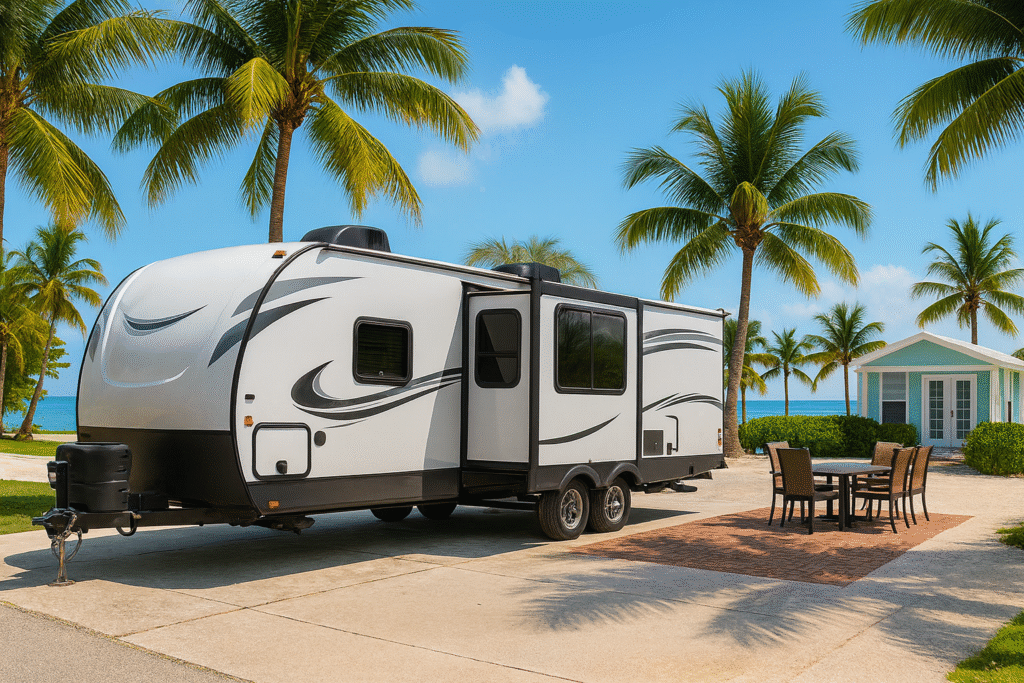
Warm Weather Adventures
When the snow starts piling up in the north, plenty of RVers head the opposite direction — chasing sunshine, soft breezes, and those warm winter days that make you forget it’s even December. Winter RV camping isn’t just about braving frozen lakes and frosty pines; sometimes the best cold-weather trips are the ones where you never actually feel the cold.
These warm-weather winter destinations offer a totally different kind of adventure: golden beaches, desert sunsets, palm-lined campgrounds, and slow, easy mornings where you sip your coffee outside in shorts while your friends back home are scraping ice off windshields. It’s RV life at its most relaxed — no frozen hoses, no icy roads, no heavy jackets… just sunshine and wide-open roads.
Traveling south for the winter also opens the door to a lighter, more flexible travel style. Campgrounds are less crowded than peak summer season, local attractions are quieter, and off-season coastal prices can be surprisingly affordable. Whether you want the laid-back coastal vibes of Florida, the warm desert air of Arizona, or the tropical magic of South Texas, winter RVing in warm climates gives you endless room to breathe and explore.
This route is perfect for full-time travelers, couples escaping northern cold snaps, or anyone craving a winter that feels more like a beach vacation than a snowbound survival mission. And the best part? You still get all the perks of RV living — beautiful campsites, slow evenings outside, local food, new friends, and no need to worry about winterizing or running heaters all night.
Warm-weather winter RV trips bring out a different side of the lifestyle: simple, sunny, and refreshingly stress-free. If your idea of winter involves palm trees instead of pine trees, these destinations are exactly where you’ll want to point your rig next.
Southern California Deserts (Joshua Tree, Palm Springs, and Death Valley)
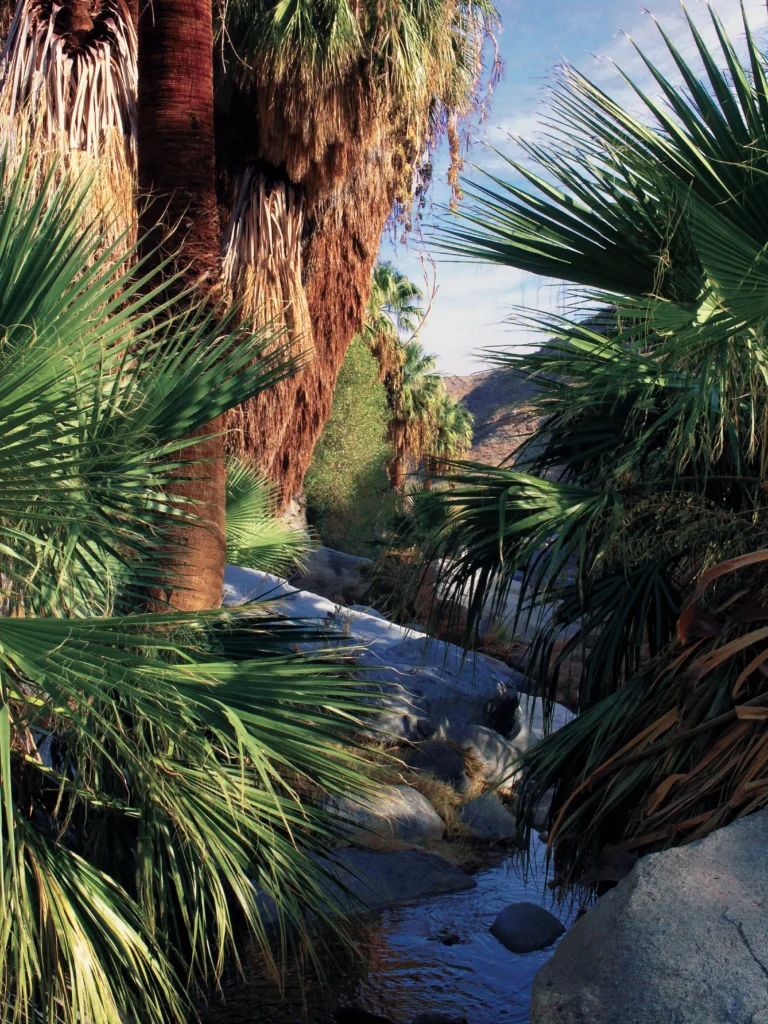
Southern California’s desert region is one of the best warm-weather winter escapes for RVers who want sunshine, wide-open scenery, and that peaceful, other-worldly desert vibe you can’t find anywhere else. Each spot—Joshua Tree, Palm Springs, and Death Valley—offers its own kind of magic, but together they create a flexible winter route packed with clear skies, warm afternoons, and unforgettable landscapes.
Winter is truly the sweet spot for these desert destinations. Daytime temperatures hover in the 60s and 70s, perfect for hiking, exploring, and relaxing outside without the extreme heat that takes over in summer. The desert air is crisp, the crowds are lighter, and the night skies turn into a massive, dark canvas filled with stars. It’s the kind of winter trip that lets you soak in sunshine all day, then wrap up in a hoodie and enjoy cool, peaceful evenings around the fire.
Joshua Tree National Park, Palm Springs, and Death Valley form one of the best warm-weather winter loops in the country, each offering a completely different desert experience. Joshua Tree delivers that iconic mix of twisted Joshua trees, massive boulders, quiet valleys, and unbeatable winter hiking on trails like Hidden Valley and Barker Dam, with sunsets that paint the rocks in deep purples and golds and some of the best stargazing anywhere.
Just down the road, Palm Springs flips the vibe entirely with full-hookup RV resorts, hot tubs, palm trees, golf courses, natural hot springs, and easy access to the Palm Springs Aerial Tramway if you want to ride up into snowy mountain peaks before returning to warm desert air.
Farther north, Death Valley becomes surprisingly comfortable in winter—daytime temps in the 60s make it easy to explore the massive salt flats of Badwater Basin, the shifting colors at Zabriskie Point, and the dramatic canyons along Artist’s Drive, with RV options ranging from full hookups at Furnace Creek to quiet dry camping at Mesquite Spring.
Where to camp:
- Joshua Tree Lake RV & Campground (Joshua Tree, CA): Full and partial hookups, desert views.
- Palm Springs RV Resort (Thousand Trails) Full hookups, pools, and onsite amenities.
- Sam’s Family Spa & Hot Water Resort
- Furnace Creek Campground (Death Valley NP, CA): The only in-park campground with some hookups, open year-round.
- Stovepipe Wells RV Park (Death Valley NP, CA): Full hookups, central location near sand dunes and canyons.
Activities:
Activities in this region cover everything from quiet desert exploration to full-on adventure. In Joshua Tree, winter brings perfect conditions for hiking iconic trails like Hidden Valley, Barker Dam, and Ryan Mountain, along with world-class rock climbing among the park’s massive boulder formations.
Stargazing here is unreal—the desert sky turns jet-black, revealing the Milky Way in crisp detail. Down in Palm Springs, you can ride the Aerial Tramway from warm desert floor to snowy mountaintops in just minutes, wander through mid-century architecture districts, explore vibrant art museums, or simply enjoy an afternoon of shopping and outdoor dining in perfect winter weather.
Farther north in Death Valley, winter opens the door to its most famous landscapes—walking the surreal salt flats at Badwater Basin, watching sunrise light up the golden folds of Zabriskie Point, exploring slot canyons like Mosaic Canyon, and climbing the dunes at Mesquite Flat for sweeping sunset views. Whether you want laid-back days, scenic photography, or active outdoor exploration, this desert circuit gives you a little bit of everything.
Farther north in Death Valley, winter opens the door to its most famous landscapes—walking the surreal salt flats at Badwater Basin, watching sunrise light up the golden folds of Zabriskie Point, exploring slot canyons like Mosaic Canyon, and climbing the dunes at Mesquite Flat for sweeping sunset views. Whether you want laid-back days, scenic photography, or active outdoor exploration, this desert circuit gives you a little bit of everything.
Pros:
The biggest advantage of this Southern California desert loop is the sheer variety packed into a single winter route. You get the lush, resort-style comforts of Palm Springs with its palm-lined streets, hot springs, pools, and sunny patios; then just an hour away, you’re surrounded by Joshua Tree’s surreal rock formations, quiet desert valleys, and some of the best winter hiking in the Southwest.
Push farther north and you enter Death Valley’s otherworldly landscapes—vast salt flats, multicolored canyons, towering sand dunes, and dramatic sunrise viewpoints that feel like you’ve landed on another planet. Winter temperatures in all three destinations are ideal for exploring, often sitting comfortably in the 60s–70s °F. You won’t battle extreme heat, crowded trails, or peak-season RV traffic, making this one of the most enjoyable and low-stress winter RV routes in the country.
Cons:
Even though this region shines in winter, there are a few things to keep in mind. Nighttime temperatures can still drop near or below freezing, especially in Joshua Tree where higher elevation means cold nights and frost on the ground by morning—so pack warm bedding and watch your water lines. Death Valley, while mild and pleasant during the day, is incredibly remote; services are limited, fuel stops are spaced far apart, and many attractions require long drives across open desert.
Hookup sites inside the national parks, especially Furnace Creek, book well in advance during winter months, so planning ahead is important. The entire region can also experience sudden desert winds and dust, which may test your awning habits and require an occasional deep clean of your rig’s exterior and vents.
Tip:
One of the best ways to enjoy this part of California is to turn it into a looped winter adventure. Start by settling into Palm Springs or Desert Hot Springs for a few days—enjoy the full hookups, warm pools, and easy access to groceries and restaurants. Then move into Joshua Tree for world-class hiking, unique landscapes, and some of the darkest stargazing skies you’ll ever see.
After that, continue north into Death Valley for a true bucket-list experience where everything feels bigger, quieter, and more dramatic. The shift from resort comfort to rugged desert wilderness makes the whole trip feel balanced and refreshing, giving you both the luxury perks and the deep, peaceful solitude that winter RV travel is all about.
Gulf Shores, Alabama
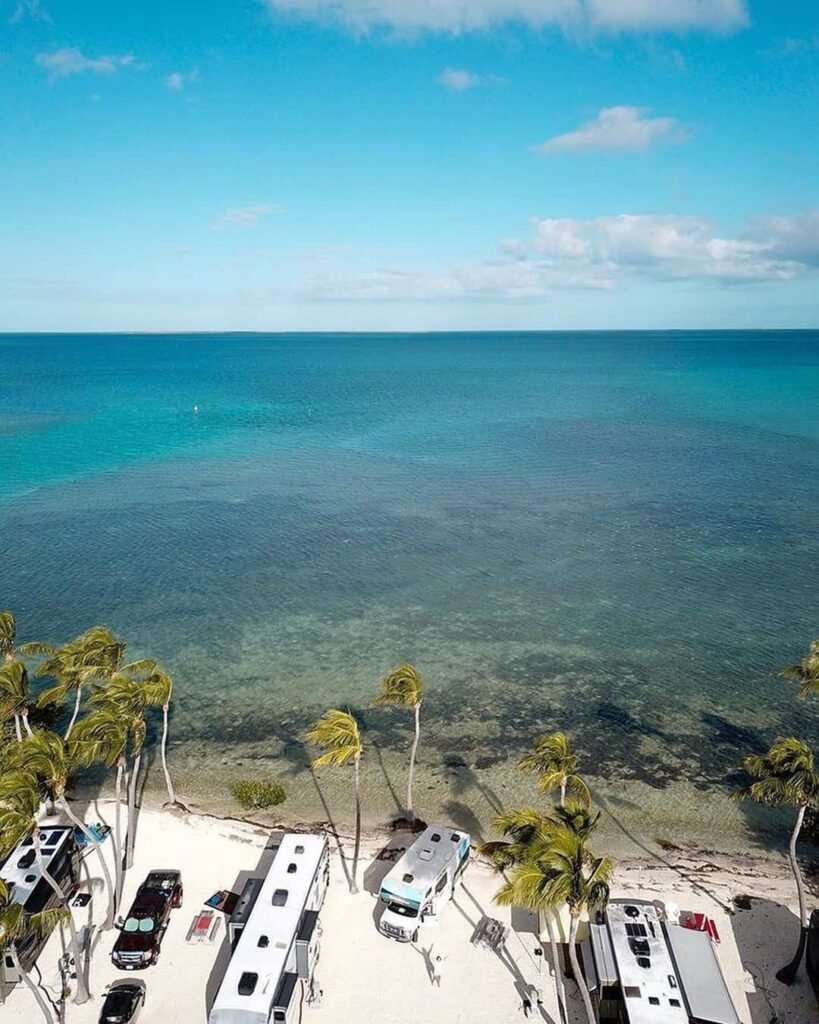
Gulf Shores is one of the best winter beach escapes for RVers who want mild temperatures, wide sandy beaches, and a relaxed coastal vibe without Florida’s crowds or costs. Winter days here are comfortably warm, usually in the 60s and low 70s, and the coastline feels quiet and open — perfect for long beach walks, birdwatching, and slow mornings with the windows open and the sound of waves in the distance.
The whole area has a mellow off-season rhythm: seafood restaurants with no waits, peaceful nature trails, and a coastline that still feels alive even in January. It’s the kind of destination where you can spend the morning biking through Gulf State Park, enjoy fresh Gulf shrimp for lunch, and end the day watching a pastel sunset over white-sand beaches.
Winter is one of the best times to experience Gulf Shores because the weather stays mild and comfortable without the heavy humidity or crowds of summer. Daytime temperatures often hover in the 60s and low 70s, perfect for walking the beaches, biking the trails, or enjoying fresh seafood outdoors.
The shoreline feels quiet and peaceful this time of year, giving you long stretches of white sand almost entirely to yourself. Wildlife is active, especially in Gulf State Park and Bon Secour, and the sunsets over the Gulf take on soft winter pastels you don’t get in peak season. Campground availability is far better in winter, and rates are generally lower than during spring break or summer vacation months. It’s the ideal warm-weather winter escape — calm, affordable, and full of sunshine without the chaos of peak crowds.
Where to camp:
- Gulf State Park Campground (Gulf Shores, AL): Nearly 500 sites with full hookups, paved pads, Wi-Fi, and direct beach access.
- Pandion Ridge RV Resort Luxury RV resort with large concrete pads, lakeside sites, pools, fitness center, and a quiet forest setting near the beach.
- Sugar Sands RV Resort Clean, modern RV park with full hookups, pool, and easy access to Gulf Shores and Orange Beach.
- Luxury RV Resort (Gulf Shores) A small, comfortable park right in town — you can be on the beach in minutes.
Activities:
There’s plenty to do even in the winter months. Gulf State Park’s miles of paved trails are perfect for biking, walking, or spotting wildlife along the marshes. The beaches are wide open, clean, and peaceful — great for beachcombing, photography, or just soaking in the sun.
You can tour the historic Fort Morgan, take a dolphin-watching cruise in Orange Beach, explore Bon Secour National Wildlife Refuge, or grab fresh seafood at local favorites like The Hangout or DeSoto’s. Fishing, kayaking, birding, and laid-back beach days round out the winter experience, and mild weather makes everything easy and enjoyable.
Pros:
Warm days and quiet beaches make Gulf Shores a perfect winter reset. The area offers excellent RV parks, miles of scenic trails, and a huge state park that feels more like a coastal retreat than a typical campground. Prices are generally lower than peak season, restaurants aren’t crowded, and the weather is far more comfortable than in summer. It’s one of the most relaxed, low-stress coastal destinations you can hit in the winter.
Cons:
Even though the days are mild, nights can get chilly — sometimes dipping into the 40s — so pack layers. Some seasonal shops and attractions operate on reduced hours in winter, and windy days aren’t uncommon along the Gulf Coast. The area is popular with snowbirds, so full-hookup RV resorts can book up early for long-term winter stays.
Tip:
Split your time between Gulf State Park for space, trails, and nature, and Pandion Ridge or Sugar Sands for comfort and easy access to restaurants and the beach. It’s a great way to enjoy both sides of Gulf Shores — peaceful outdoorsy mornings and fun, coastal evenings in town.
South Texas / Rio Grande Valley
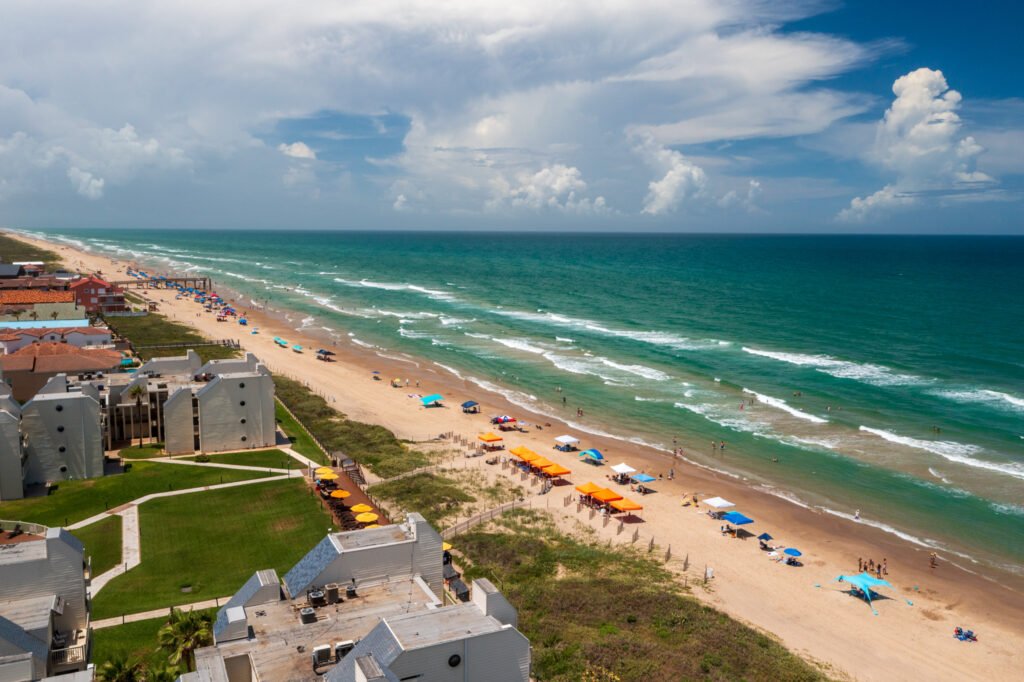
South Texas is one of the warmest winter RV destinations in the entire country — a long-time favorite for snowbirds who want sunshine, friendly small towns, and an easygoing pace. Stretching from South Padre Island to McAllen, Mission, and Harlingen, the Rio Grande Valley offers palm trees, mild temperatures, coastal breezes, and a culture that blends Texan hospitality with a touch of Mexico.
Winter here feels calm and sunny, with plenty of room to explore beaches, wildlife refuges, and vibrant local markets. The area has a huge RV community, so you’ll find everything from simple parks to full-amenity resorts, live entertainment, pickleball courts, heated pools, and activities geared toward long-term winter guests. It’s warm, affordable, and one of the best places to escape the cold without traveling all the way into Florida.
Winter in the Rio Grande Valley brings steady warmth — days often sit in the 70s and even low 80s — making it one of the most reliable warm-weather retreats in the U.S. Humidity stays low, beaches are quiet, and the wildlife viewing is incredible, especially along the Laguna Madre and at places like Santa Ana National Wildlife Refuge.
South Padre Island feels peaceful in winter, offering long uncrowded stretches of shoreline and calm Gulf surf. Restaurants, local festivals, birding events, and markets stay active without the packed summer crowds. RV parks welcome winter travelers with community events, live music, potlucks, and activities that make it easy to meet people. It’s a slow, sunny, stress-free winter getaway with plenty to do — or not do — depending on your pace.
Where to camp:
- South Padre Island KOA Holiday Full hookups, waterfront sites, fishing pier, easy access to the beach.
- Victoria Palms RV Resort (Donna, TX): Large resort with full hookups, tennis, golf, pool, and active social calendar.
- Isla Blanca Park (South Padre Island) Beachfront RV sites with full hookups, huge park, walkable shoreline.
- Bentsen Palm Village RV Resort (Mission) Top-tier resort near birding hotspots and Bentsen-Rio Grande Valley State Park.
Activities:
The Rio Grande Valley is loaded with things to do in winter. Spend your days walking the beaches of South Padre Island, fishing along the Laguna Madre, or taking dolphin-watching cruises. Explore dozens of wildlife refuges, including Santa Ana NWR and Bentsen-Rio Grande Valley State Park — both famous for exotic bird species and wildlife photography.
The region has great bike trails, nature centers, and scenic boardwalks through marshes and wetlands. In the cities, winter markets, food festivals, and live music keep things lively, and you can enjoy Tex-Mex cuisine, fresh Gulf seafood, and local culture at a slower pace. Golf, kayaking, horseback riding, and even tours up and down the Rio Grande round out the experience.
Pros:
The biggest advantage of wintering in South Texas is the reliable warmth — some of the warmest winter temps in the entire U.S. outside of South Florida. RV parks are abundant and affordable, with many offering resort-style amenities geared toward long-term stays. Beaches, wildlife refuges, and small towns give you a mix of relaxation and exploration, all without big crowds. The region has a thriving snowbird community, so it’s incredibly easy to meet people and feel connected.
Cons:
The area is flat and breezy, so wind can be a factor — especially near the coast. Some attractions and beach areas are spread out, meaning you’ll do a bit of driving to reach certain spots. Popular long-term RV resorts can fill up early for the winter season, so reservations help. And while it’s warm, occasional cold fronts (“Texas Blue Northers”) can dip temps briefly into the 40s or 50s, though they usually warm back up quickly.
Tip:
Split your time between South Padre Island for beaches and coastal air, and Mission/McAllen for wildlife refuges, culture, and the big winter RV community vibe. Many snowbirds spend a month inland and a month on the coast — it’s the perfect way to experience both sides of South Texas while keeping your winter sunny and stress-free.
Quartzsite, Arizona
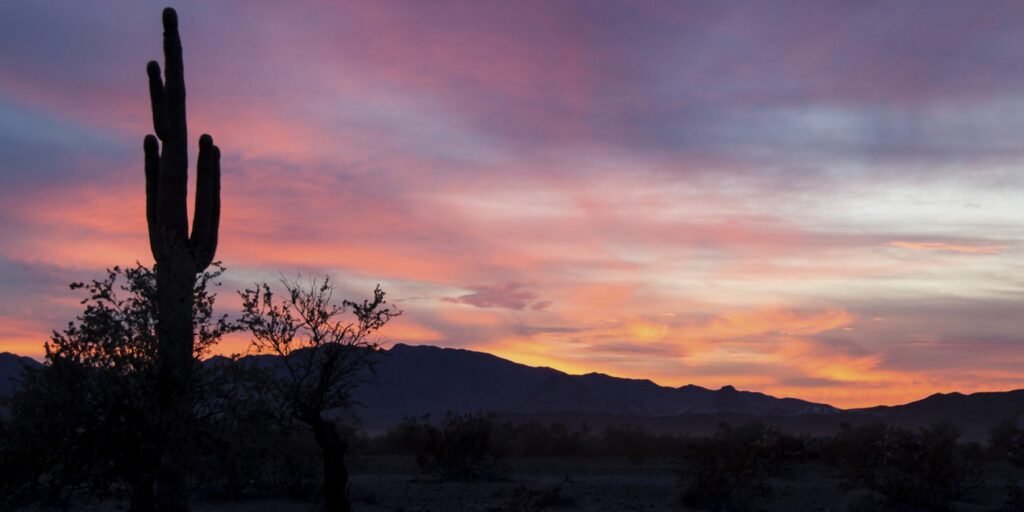
Quartzsite is a winter RV legend — a desert town that transforms into one of the largest seasonal RV gatherings in the world. Every winter, tens of thousands of RVers roll into this part of southwestern Arizona for sunshine, rock-hounding, massive swap meets, and the famous Quartzsite RV Show.
The surrounding desert is wide, open, and peaceful, offering endless BLM boondocking land where you can spread out, soak in the quiet, and enjoy warm days with cool desert nights. Whether you stay for the crowd-filled excitement of the show in January or prefer the laid-back off-season atmosphere, Quartzsite delivers a classic winter RVing experience that’s equal parts community, freedom, and desert beauty.
Why visit in winter:
Winter is the only time Quartzsite truly comes alive. Daytime temperatures sit comfortably in the 60s and 70s, perfect for hiking desert trails, browsing vendors, or relaxing outside with panoramic mountain views in every direction. The annual Quartzsite Sports, Vacation & RV Show draws hundreds of vendors and thousands of RVers, along with gear demos, educational seminars, and every RV accessory you can think of.
The weather is mild, dry, and sunny for weeks at a time — ideal for solar setups and boondocking. It’s the perfect winter escape for RVers who enjoy warm days, big skies, and a friendly desert community that feels like a temporary city on open land.
Where to camp:
- BLM LTVA (Long-Term Visitor Areas) Massive desert boondocking areas with permits available for 14 days or the whole season.
- Plomosa Road BLM Camping Free dispersed camping north of town with wide views and room to spread out.
- Quartzsite RV Show Grounds (Seasonal) Some RVers stay right near the show action during the big event.
- Holiday Palms RV Park: Resort-style RV park with activities and hookups.
- 88 Shades RV Park Small, friendly park with full hookups right in town.
Activities:
Quartzsite’s winter activities revolve around the desert and the RV community. Explore the huge flea markets and gem shows, browse the endless rows of vendors, or attend the January RV show for seminars, gadgets, and new gear. Hiking and ATV riding are extremely popular, with trails leading into the surrounding mountains and washes.
Rock-hounding is a big draw — agates, quartz, and other unique stones are everywhere. At night, gather around campfires under crystal-clear desert skies that erupt with stars. And if you need a change of scenery, Lake Havasu City and the Colorado River are only about an hour away.
Pros:
Quartzsite offers affordable permits, massive boondocking areas, and the warm, sunny weather RVers love during winter. It’s extremely budget-friendly — especially if you rely on solar — and the community vibe is unmatched. You’ll find everything from gear vendors to meetups, outdoor concerts, and RV clubs gathering all winter long. The desert scenery is peaceful and spacious, giving you a true sense of freedom.
Cons:
It’s desert boondocking, so expect dust, wind, and the need to be self-sufficient with water, power, and waste. During the RV show season, crowds can get very large, with traffic and packed vendor areas. Hookup RV parks in town are limited and may fill quickly around January. Nights can get cold, sometimes dipping into the 40s or 30s, so having solid heating and nighttime prep is important.
Tip:
If you want the full Quartzsite experience, visit during the January RV show — it’s the heart of the winter season. But if you prefer a quieter stay, arrive in December or February. For the best balance, start with a few days at a full-hookup RV park to dump tanks, fill water, and recharge, then move out to BLM land and boondock for the rest of your stay. It’s the classic Quartzsite rhythm and works perfectly for winter RVing.
Quartzsite is also home to the long-established “Magic Circle,” a clothing-optional camping area on BLM land. It’s a unique part of the RV culture here. If that’s not your style, there are plenty of other camping options in and around town.
Florida Keys, Florida
The Florida Keys are the ultimate warm-weather winter escape — a 100-mile stretch of turquoise water, palm trees, coral reefs, and endless sunshine that feels more like the Caribbean than the continental U.S. Winter brings dry air, blue skies, calm breezes, and daytime temps in the 70s and low 80s, making it one of the most sought-after RV destinations in the country. Whether you’re relaxing on the beach, snorkeling in crystal-clear water, or hopping between colorful coastal towns, the Keys offer a tropical, slow-paced version of winter that feels completely different from anywhere else in the country. It’s one of those bucket-list trips every RVer should make at least once.
Winter is prime season in the Keys — and for good reason. Humidity drops, the weather becomes beautifully predictable, and the ocean turns calm and clear. Tropical storms are gone, mosquitoes are minimal, and the sunny days are perfect for kayaking, snorkeling, or lounging by the water. The entire island chain feels alive in winter, from Key Largo’s dive sites to Islamorada’s fishing charters to Key West’s famous sunset celebrations at Mallory Square. RV parks are busy but festive, restaurants stay open late, and the nightlife, beaches, and warm breezes make it feel like a vacation the second you pull in. If you want true summer weather in the middle of winter, this is the place.
Where to camp:
- Bahia Honda State Park (Big Pine Key, FL): Famous for its beaches and clear water; RV sites with electric and water hookups. Reservations often book a year in advance.
- Boyd’s Key West Campground (Key West, FL): Full hookups, pool, Wi-Fi, and close to downtown Key West.
- Sunshine Key RV Resort & Marina (Big Pine Key, FL): A large resort with full hookups, marina access, pool, and activities.
- Key Largo Kampground & Marina (Key Largo) Full-service park in a great location for boating and diving.
- Jolly Roger RV Resort (Marathon) Full hookups, large sites, a pier, great snorkeling near the park.
Activities:
The Keys offer endless outdoor activities, especially in winter when the ocean is calm and visibility is high. Explore coral reefs at John Pennekamp Coral Reef State Park, take a snorkeling trip to Looe Key, or go dolphin-watching near Marathon. Fishing is world-class here — from backcountry tarpon runs to reef fishing charters. Kayaking through mangrove tunnels is a peaceful must-do, and biking the Old Seven Mile Bridge gives you unbeatable views. In Key West, wander Duval Street, tour Ernest Hemingway’s home, ride the Conch Train, or join the nightly sunset celebration at Mallory Square. Every island has something different — beaches, seafood shacks, tiki bars, wildlife refuges, and warm water waiting just steps from your RV.
Pros:
The Florida Keys offer the warmest, most tropical winter weather anywhere in the U.S., with endless sunshine and no cold snaps. You get a perfect mix of outdoor adventure, island culture, quiet beaches, and nightlife depending on where you stay. RV parks range from simple oceanside campgrounds to full-amenity resorts with pools, marinas, and private beaches. The Keys are also extremely walkable and bike-friendly, making it easy to explore at a relaxed pace. If you want a winter trip that feels like a true vacation, it’s hard to beat.
Cons:
RV sites in the Keys are expensive during peak winter months, and the most popular parks — especially Bahia Honda and Boyd’s — require booking far in advance. Traffic along U.S. 1 can be slow, especially on weekends and during sunset hours. Beaches are smaller compared to places like Gulf Shores or Florida’s west coast, and camping availability can be tight if you’re not planning ahead. And while the weather is outstanding, strong ocean breezes and salt air mean you’ll want to rinse off your rig and watch for corrosion.
Tip:
Break your trip into a slow island-hopping route. Spend a few nights in Key Largo for reefs and diving, move to Marathon for beaches and central access, then finish in Key West for nightlife, history, and that classic sunset celebration. It’s the best way to experience the full personality of the Keys without rushing — and you’ll get three completely different vibes in one unforgettable winter trip.
Conclusion
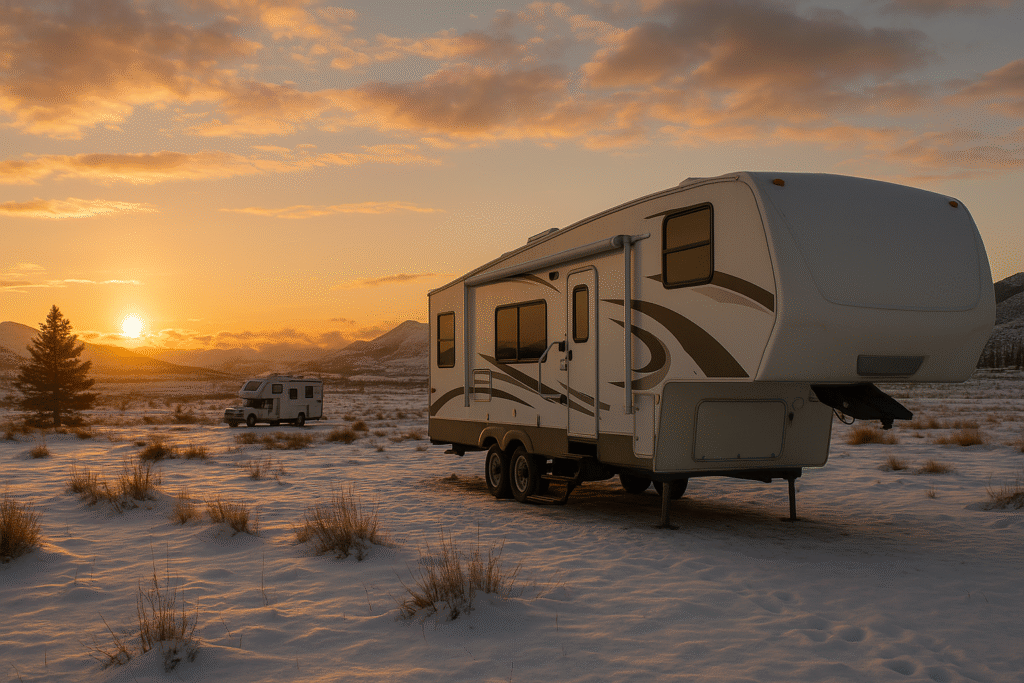
Winter RV camping opens up a completely different side of travel — one filled with quiet beaches, peaceful desert nights, snowy mountain overlooks, and wide-open roads that feel almost empty compared to the summer rush. Whether you’re chasing sunshine in the Florida Keys, soaking in the desert quiet of Quartzsite, hiking among the surreal boulders of Joshua Tree, or exploring snowy national parks at their most peaceful, winter gives you the freedom to choose the pace and the climate that fits you best.
Traveling this time of year isn’t just about escaping cold weather — it’s about experiencing places in their true offseason rhythm. Trails are quieter. Campgrounds feel friendlier. Wildlife is more active. Sunsets hit different. And the people you meet on the road in winter — especially in warm-weather RV hubs — tend to be the kind who genuinely love the lifestyle. With the right preparation, a winter RV trip becomes a season of discovery: fewer crowds, better prices, and destinations that feel like they’re showing you their best version.
Whether you prefer snowy landscapes or sun-soaked beaches, winter opens the door to some of the most rewarding RV adventures you can take. Plan smart, pick the spots that speak to you, and enjoy the peaceful, unhurried pace that only winter travel can offer. Wherever your rig takes you this season, stay safe, stay warm, and enjoy the road ahead — winter camping is just getting started.
Ready to Hit the Road?
Winter RVing is easier when you’re prepared. That’s why we’ve put together a free Winter RV Checklist PDF you can download and keep in your rig. It covers the must-have gear, setup steps, and cold-weather tips so you can camp with confidence.
👉 [Download the Free Winter RV Checklist PDF]
![[Download the Free Winter RV Checklist PDF]](https://thervinfoguide.com/wp-content/uploads/2025/09/ChatGPT-Image-Sep-28-2025-01_56_11-PM.png)
And don’t forget to check out our RV essentials here on The RV Info Guide